
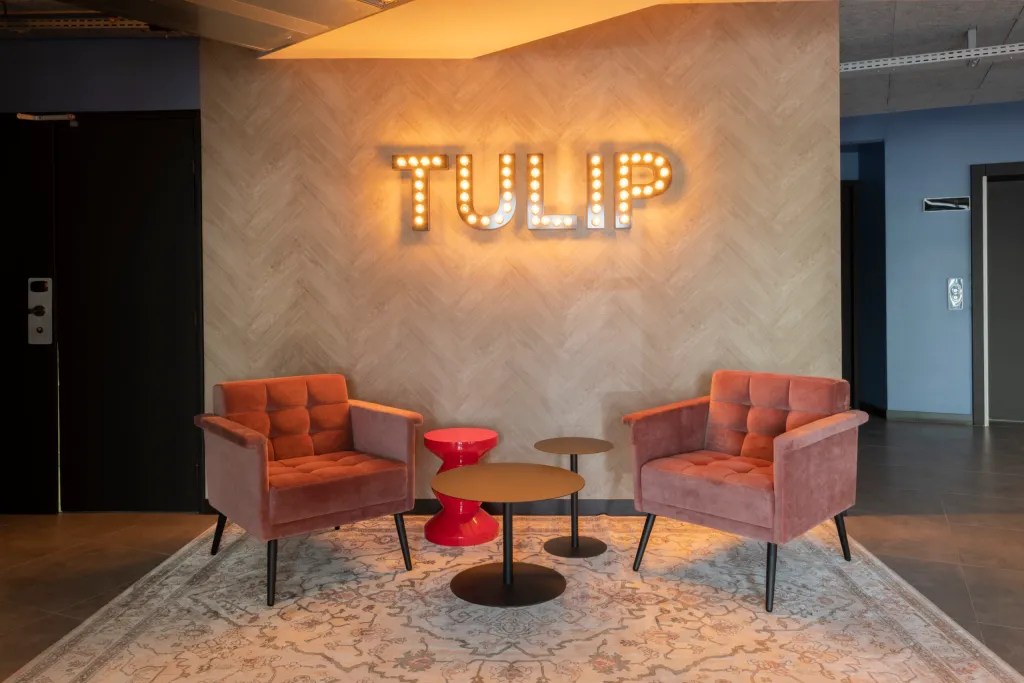
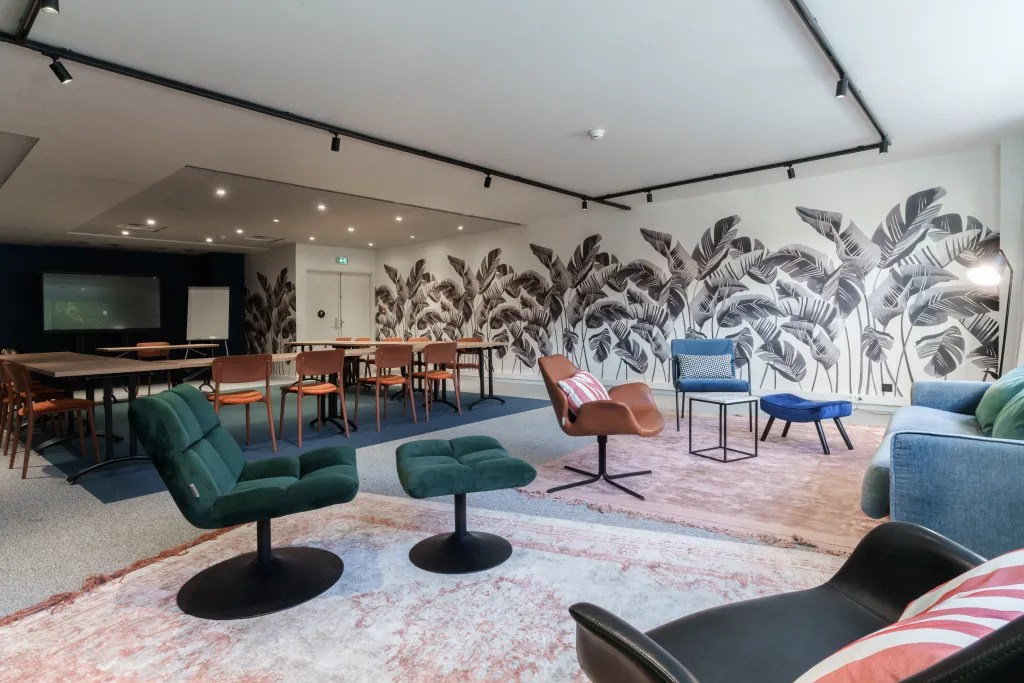
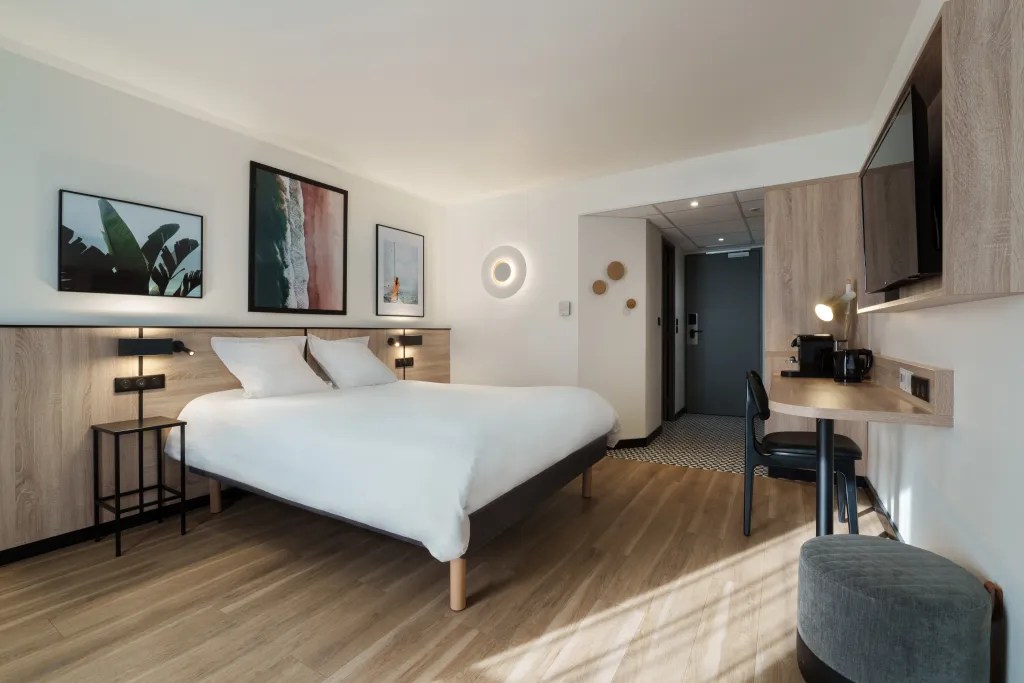
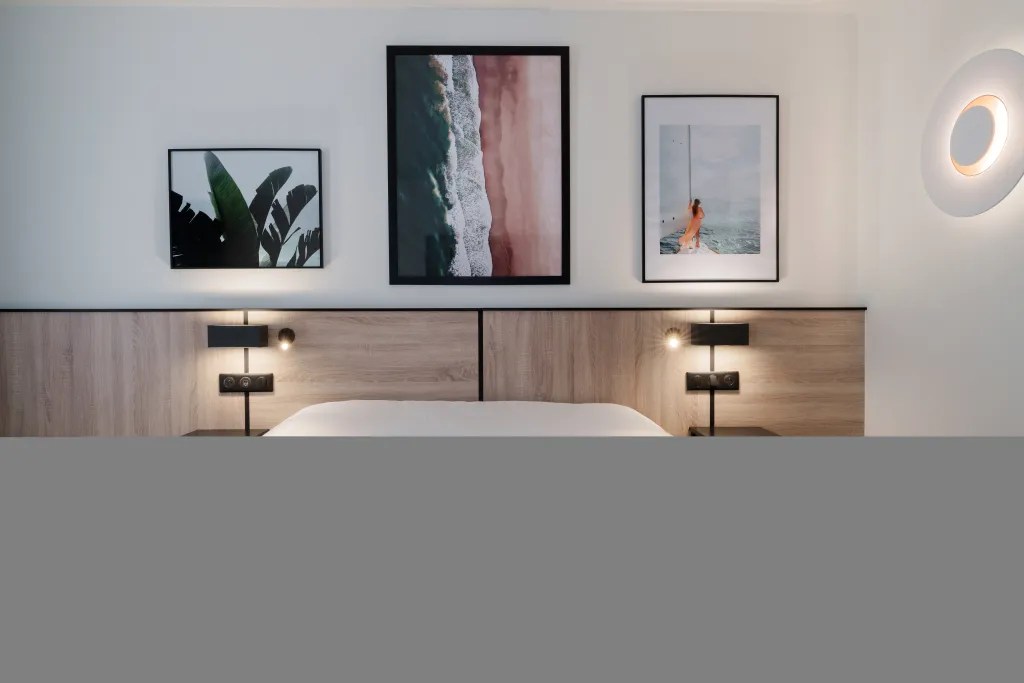
Louvre Hotels Group has announced the rebranding and renovation of Campanile Zwolle into a TULIP Hotel, part of its ambitious five-year strategic plan. The transformation promises a modern and stylish refresh, with upgrades to guest rooms and public spaces that align with TULIP Hotels’ fresh brand standards. While the renderings look fantastic, this move also raises some questions about Louvre’s overall branding strategy.
The TULIP Hotels Expansion
TULIP Hotels & Residences is Louvre Hotels Group’s new hybrid brand, blending the functionality of a hotel, home, and office to cater to today’s increasingly nomadic lifestyles. This concept includes stylish rooms, hybrid spaces, and Tulip Cafés—inviting spots for work, socializing, and connecting. While the idea sounds appealing, the implementation feels uneven. For instance, the brand’s website showcases only two Tulip Residences, opened back in 2021, and doesn’t clarify how Tulip Hotels differ from Tulip Inn, another midscale Louvre brand.
Adding to the confusion, the Golden Tulip brand, with its strong recognition in the Netherlands, gets little attention in Louvre’s strategic roadmap. For a long-standing brand with potential, this omission feels strange and raises questions about Louvre’s focus.
The Renovation Plan: A Promising Step Forward
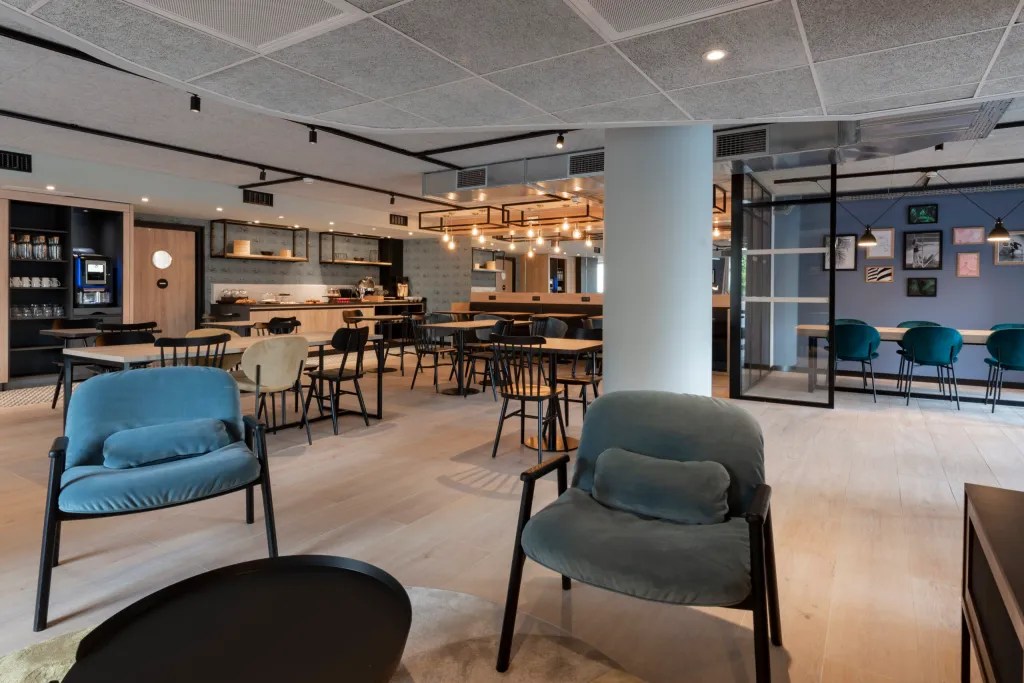
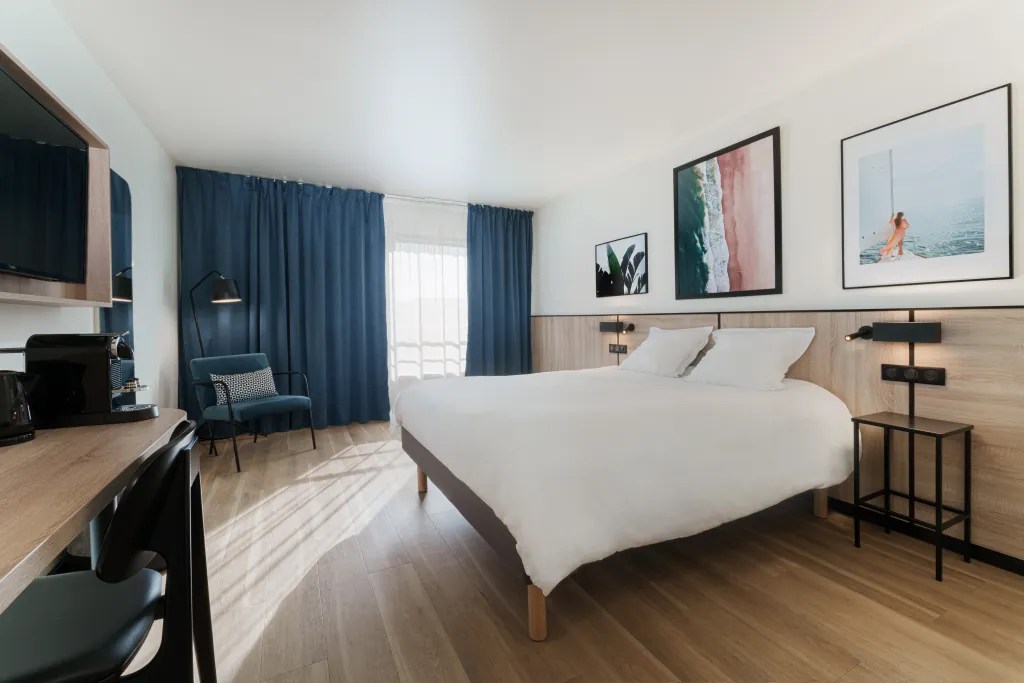
Despite my confusion about the branding, the Campanile Zwolle renovation looks impressive. Scheduled from January to April 2025, the transformation will include revamped rooms with Brilliant Basics, such as premium beds, high-quality mattresses, and modern showers, ensuring the hotel exceeds expectations in its segment. The redesigned lobby, restaurant, and meeting spaces will follow TULIP Hotels’ modern aesthetic, with a Tulip Café offering a cozy and multifunctional space for both locals and travelers.
Delft and Breda are next in line for similar transformations, scheduled for 2025 and 2026 respectively. The designs seem promising, and if executed well, could elevate the guest experience across these properties.
Louvre’s Strategic Plan: Overly Ambitious?
Louvre Hotels Group aims to renovate 80% of its owned hotels by 2028, part of a global growth strategy that includes opening 200 new hotels in France, 265 in China, and 50 in India. While this sounds impressive, the rest of the world gets only 120 new hotels, a stark contrast that underlines Louvre’s heavy reliance on its parent company, Jin Jiang International, and its home markets.
Louvre’s portfolio structure includes economy and midscale brands like Première Classe, Campanile, and Kyriad, alongside hybrids like Hosho and TULIP Hotels & Residences. However, the overlaps in positioning—especially with Golden Tulip, Tulip Inn, and Kyriad Prestige—feel redundant and dilute the brand’s clarity. Simplifying the offering could make Louvre more competitive and focused.
Branding Confusion: An Ongoing Issue
As much as I appreciate the design of the Campanile Zwolle-to-Tulip transformation, Louvre’s brand architecture feels overly complicated. The “Tulip family” (Golden Tulip, Royal Tulip, Tulip Inn, TULIP Hotels & Residences) struggles to stand out in a crowded market. Combining some of these under a single, cohesive brand could create a stronger presence. For instance:
- Kyriad Prestige could absorb upscale offerings like Golden Tulip.
- Tulip Residences could be rebranded as Kyriad Residences for consistency.
By focusing on its core strengths in the midscale and economy segments, Louvre could streamline its identity and amplify its market appeal.
Europe’s Number Two, and Proud of It
Louvre frequently mentions being Europe’s #2 hotel chain, with global rankings driven by Jin Jiang’s scale. This reminds me of Avis Car Rental’s classic “We Try Harder” campaign, which positioned itself positively as a challenger to Hertz. A similar approach could work for Louvre: acknowledging its position as the world’s number two while emphasizing innovation, service, and value.
Final Thoughts: Great Designs, But Simplify the Story
I genuinely admire the designs of the new TULIP Hotels and similar Kyriad Prestige projects, such as the Compiègne revamp in France. However, Louvre needs to refine its brand messaging and simplify its portfolio. A clearer, more consistent offering would resonate better with guests and investors alike.
For now, I look forward to seeing how the Campanile Zwolle transformation unfolds and whether it sets the stage for a stronger and more cohesive TULIP Hotels brand.
 DOUBLEDOWN Hotels
Leave a comment