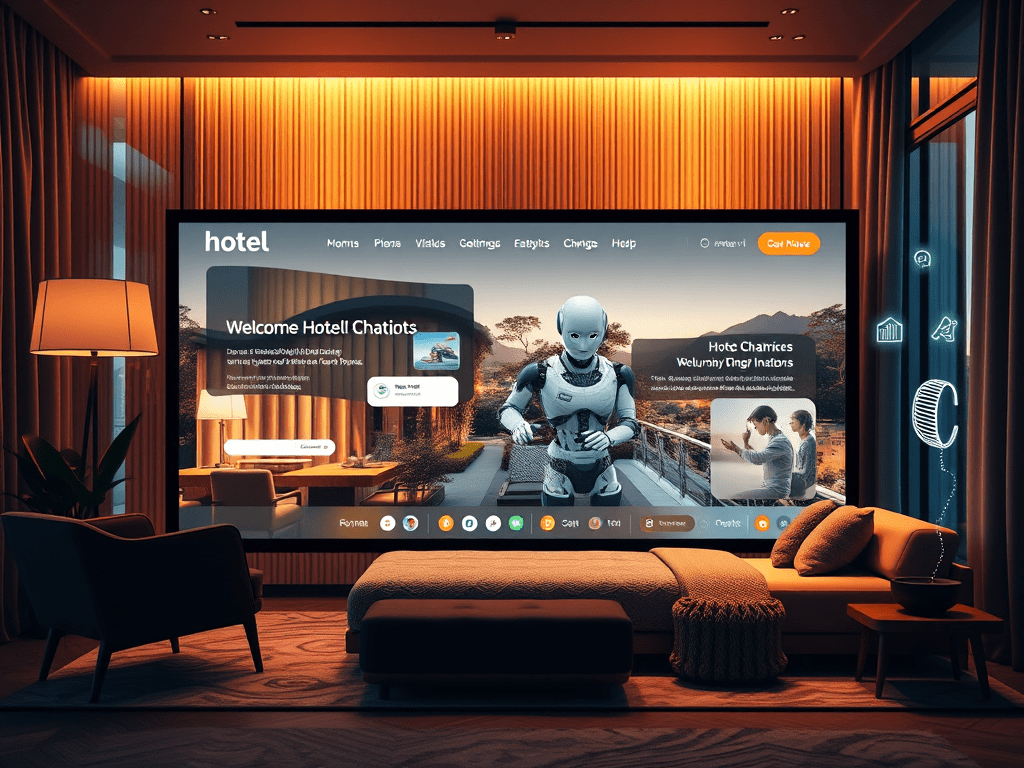
Artificial intelligence is not here to eliminate hotel websites—it’s here to transform them. While agentic AI will increasingly dominate the booking process, hotel websites will remain a critical part of the digital journey, shifting focus from transactions to storytelling, discovery, and brand identity.
AI as a Partner, Not a Threat
Rather than making hotel websites obsolete, AI will create a symbiotic relationship: AI handles the heavy lifting of intent-driven searches and comparisons, while hotel websites evolve into immersive brand experiences. AI-powered agents can already respond to visitor inquiries in real time, tailor content to individual needs, and enhance online experiences, all while capturing valuable data for hotels to leverage later. This hyper-personalized, responsive approach builds loyalty, encouraging repeat bookings and deeper engagement with the brand.
Why Some Hotel Websites Matter More Than Others
For many properties—particularly the hotels belonging to large branded chains—websites often serve as templated hubs with thin content, since price and location already drive bookings. In such cases, AI and OTAs (online travel agencies) are likely to dominate, streamlining the customer journey with efficiency and convenience.
Luxury, boutique, and lifestyle hotels, however, operate differently. These properties trade on identity, emotion, and atmosphere—qualities that AI summaries and OTA listings struggle to convey. High-consideration travelers want to ensure a property aligns with their values and expectations, and rich, immersive websites with strong visual storytelling provide that critical assurance.
This distinction creates a strategic opportunity: as many hotel websites fade in relevance, the ones that remain content-rich and differentiated gain an edge. These sites can influence AI systems by supplying detailed, compelling content optimized for niche queries—an essential advantage in a generative AI-driven landscape.
Websites as Brand Custodians
Hotel websites are evolving from simple booking tools to the definitive custodians of a brand’s voice and identity. While AI can handle logistics and price comparisons, it cannot fully replicate the nuanced storytelling and emotional connection that websites offer. The real risk isn’t AI replacing websites—it’s that AI might prioritize OTA-owned data if hotels fail to integrate their own systems and make their content equally accessible.
Hotels must control how their data is shared, using APIs strategically and maintaining ownership over how rooms, amenities, and brand stories are represented. Visuals sell; text supports. No brand wants its inventory scraped and repackaged in a way that misrepresents its ethos.
The Role of Data and Technology
The hospitality industry is notoriously fragmented, and while standard ARI APIs are unlikely to see universal adoption, individual hotels can prepare by investing in connected IT infrastructure—like Central Data Management (CDM) platforms—to communicate seamlessly with AI systems. This ensures visibility in booking journeys while protecting brand identity.
What Comes Next?
Hotel websites are shifting from static brochures to dynamic commerce layers designed for both humans and AI. They remain crucial for emotional, high-consideration travel decisions, where brand experience and storytelling influence bookings. The takeaway is clear: don’t panic about AI—plan for it. Build connected systems, optimize content for AI-driven discovery, and focus on the aspects that only human storytelling can deliver.
In short, AI will handle much of the booking journey, but hotel websites will evolve into powerful brand storytelling platforms—the ultimate touchpoint for inspiration, trust, and long-term guest relationships.
 DOUBLEDOWN Hotels
Leave a comment