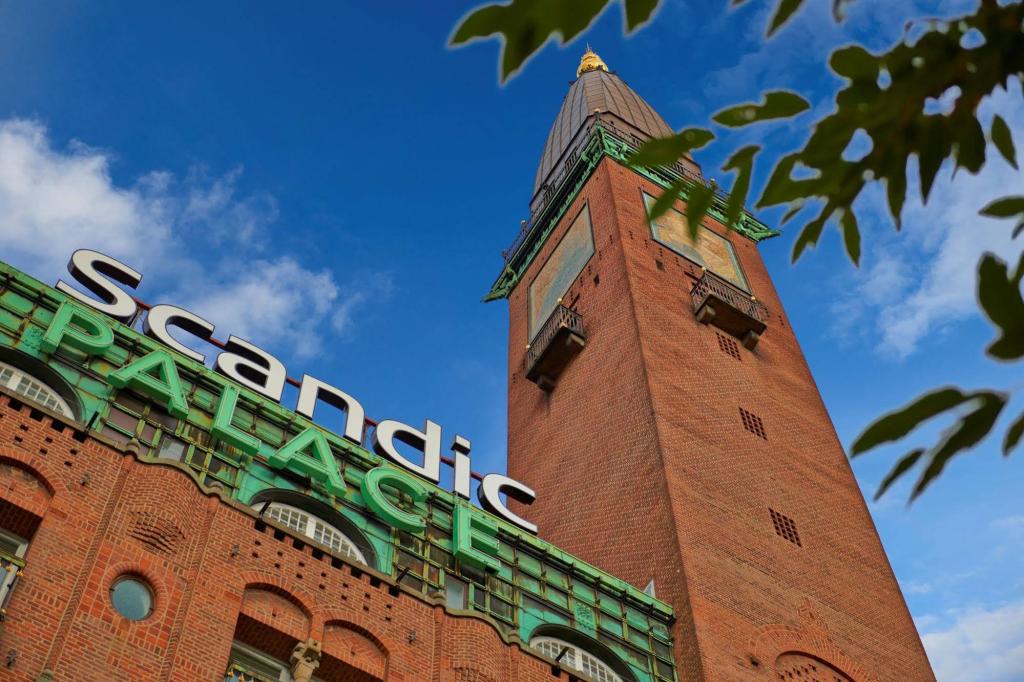
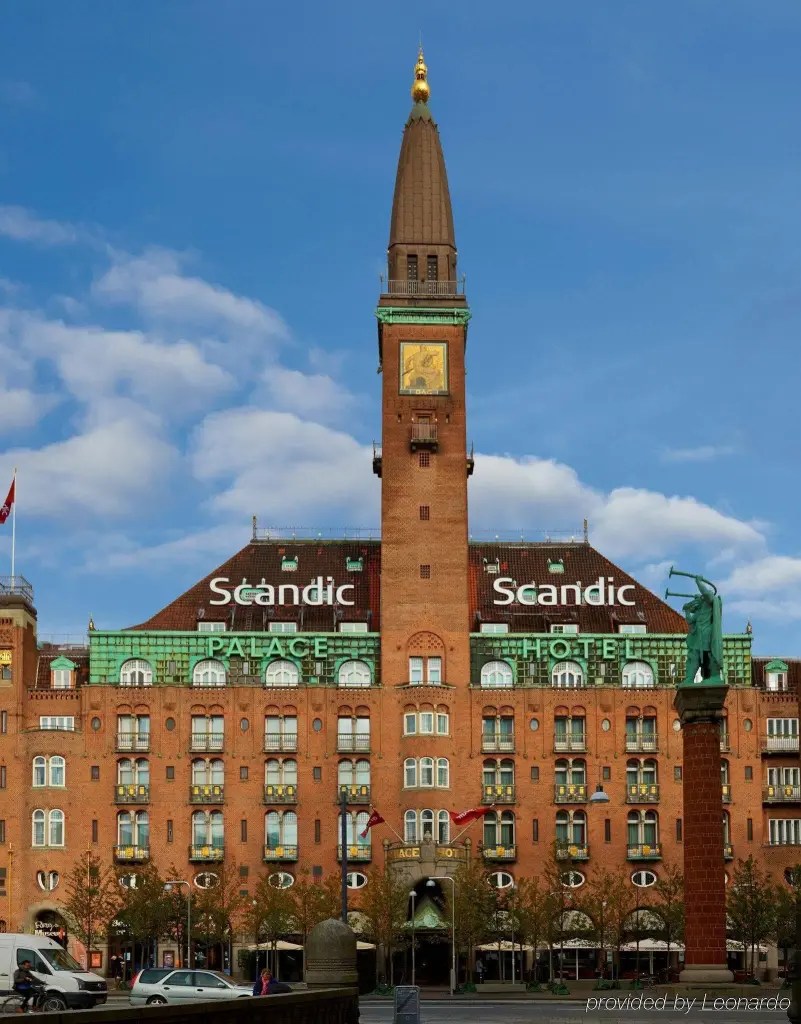
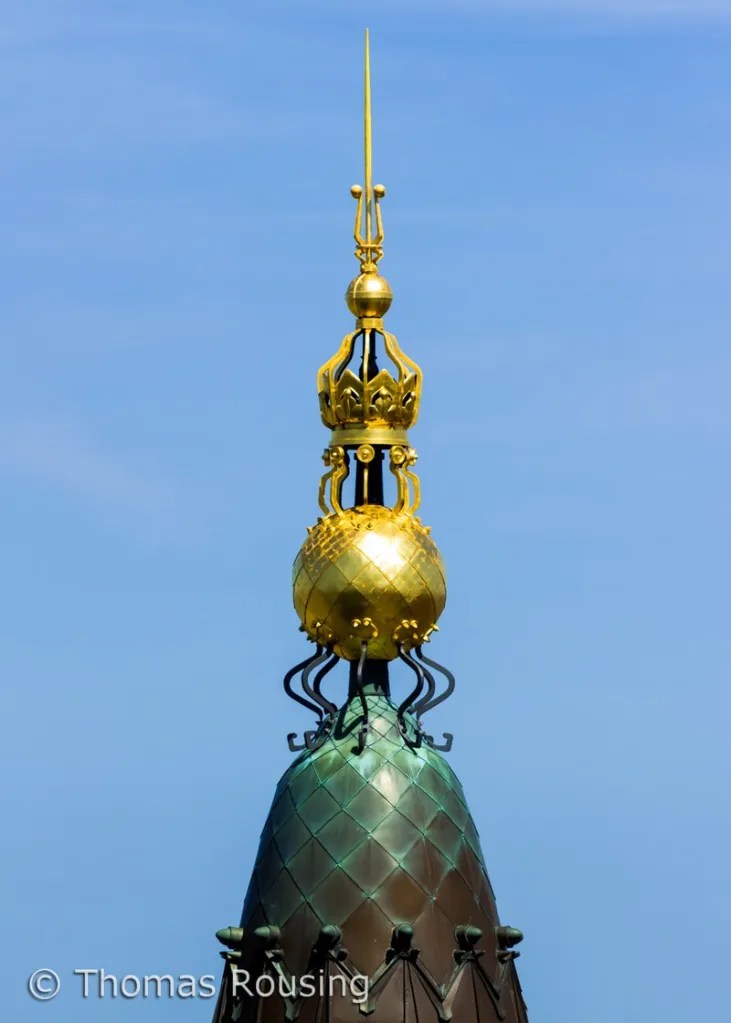
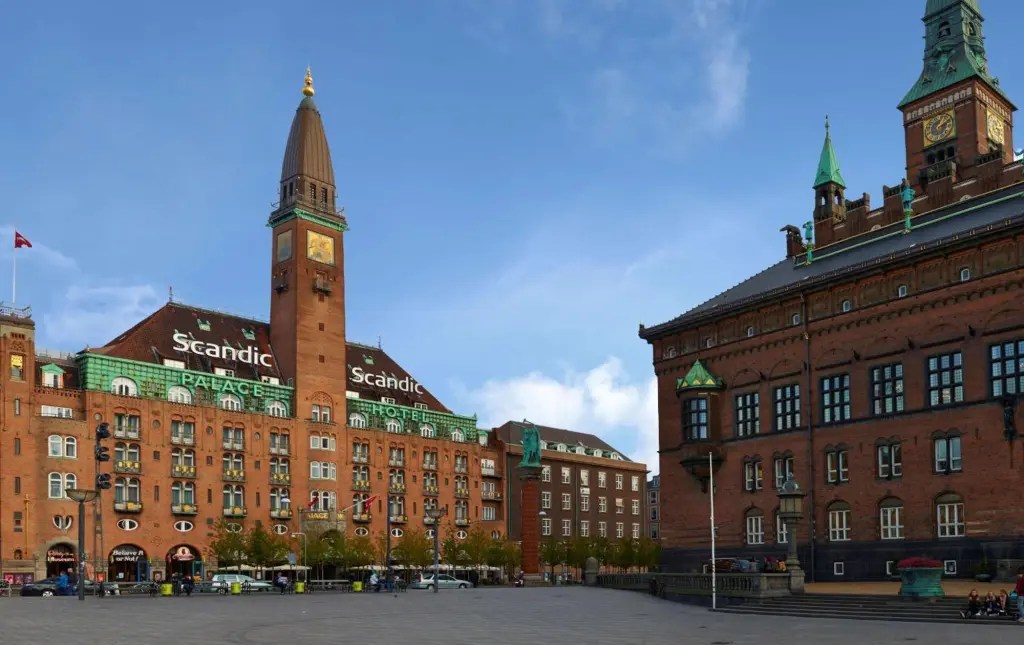
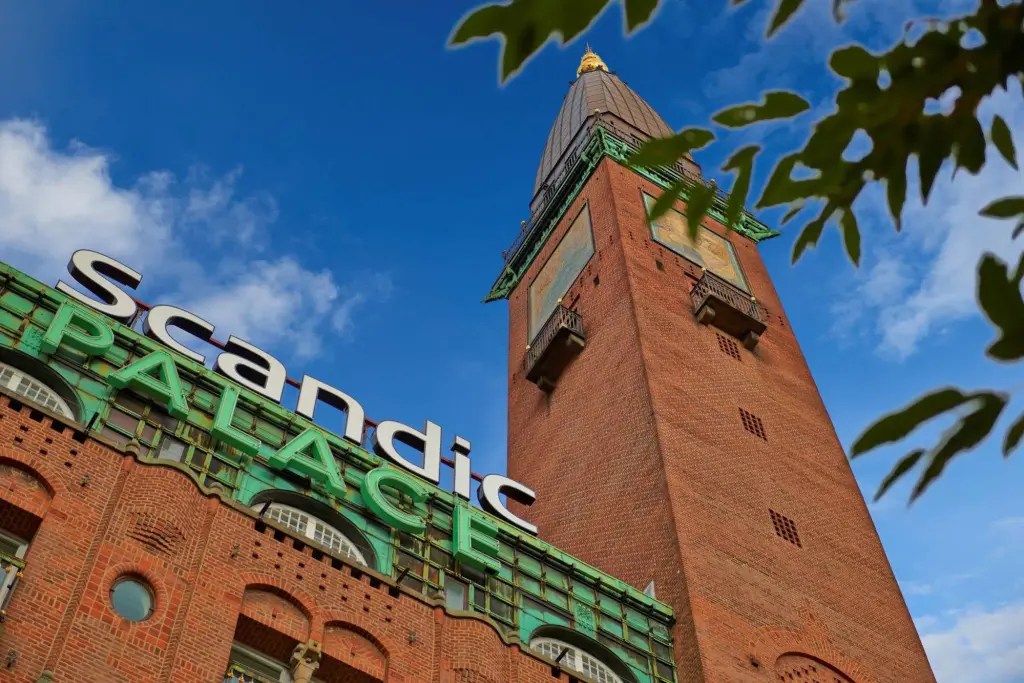
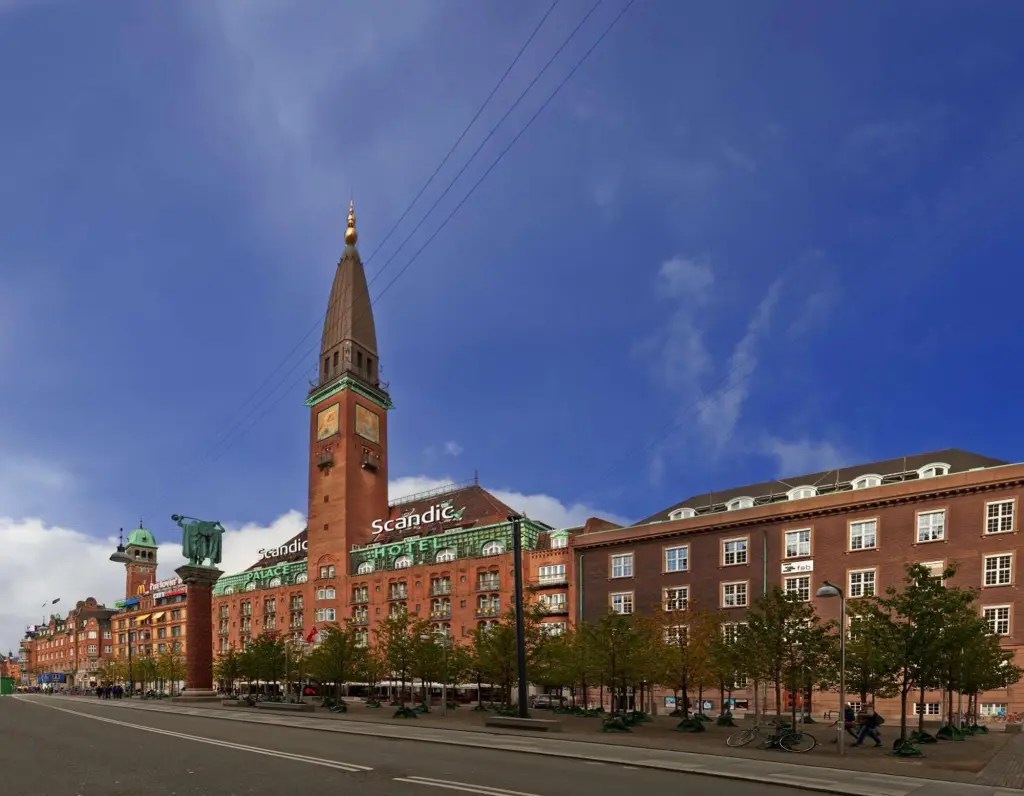
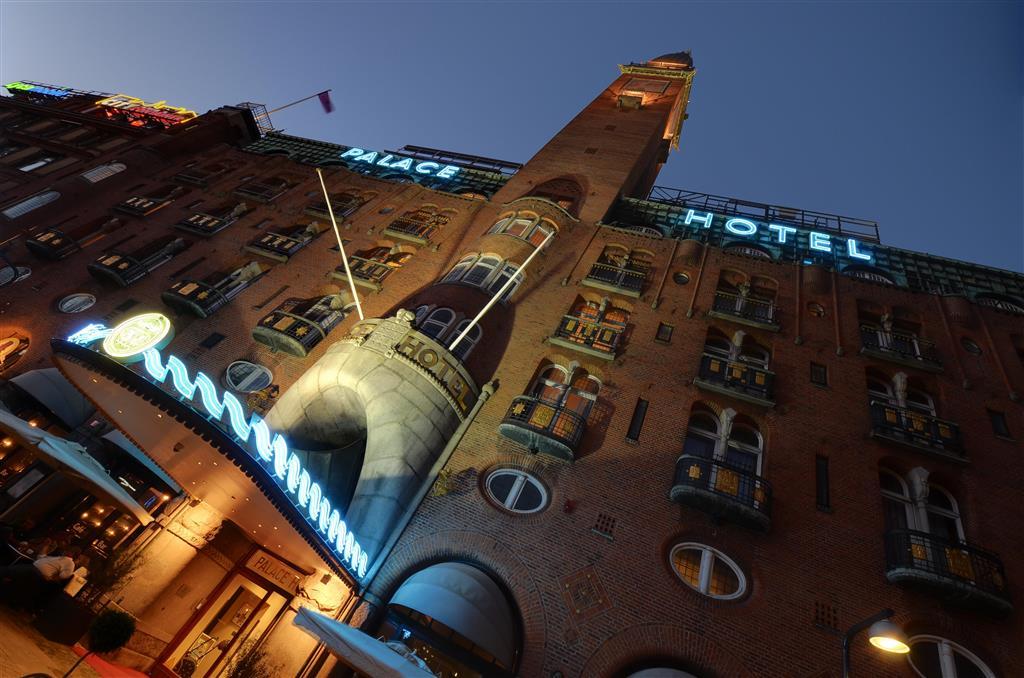
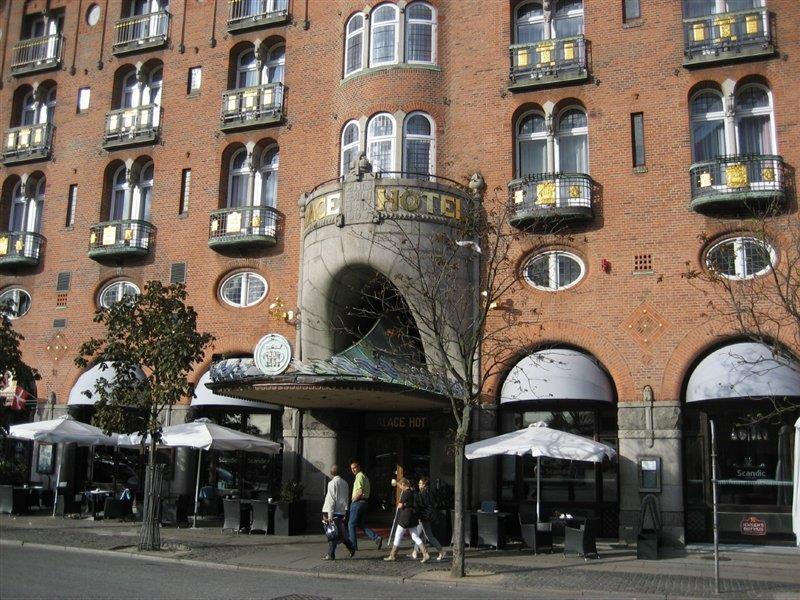
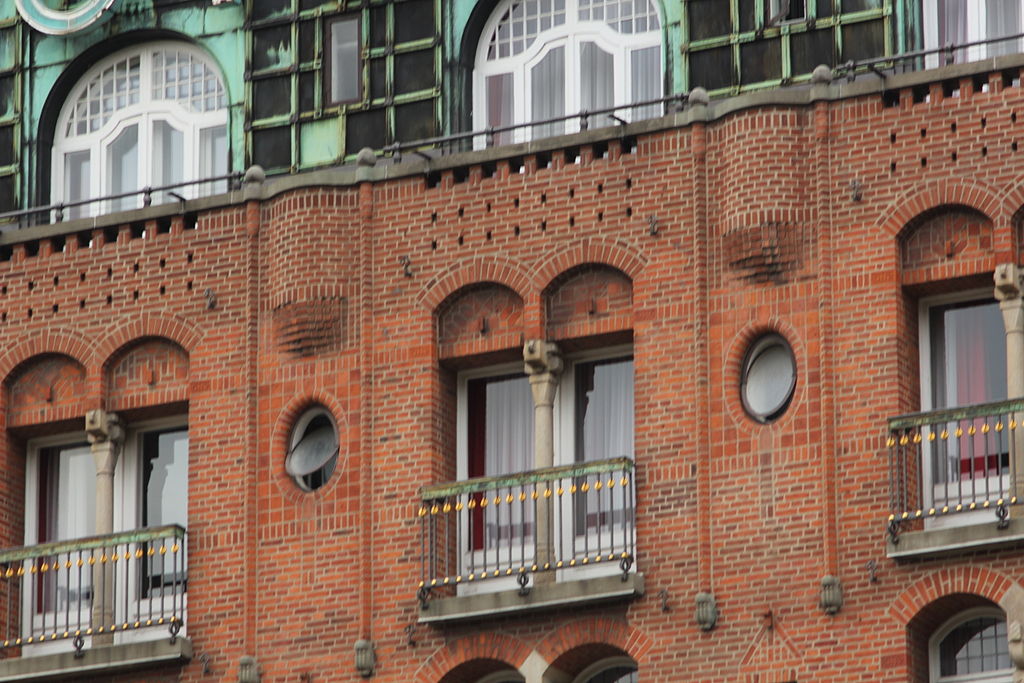
Rising proudly on Copenhagen’s City Hall Square, the Palace Hotel has long been more than just a place to stay — it has been a stage for the city’s story. Since 1910, its striking red-brick façade and slender copper-topped tower have stood as a bold statement of modernity and artistry, designed by visionary architect Anton Rosen at the height of the Art Nouveau movement. The mosaics that shimmer from the tower’s four faces — morning, day, evening, night — still greet the square with a quiet, poetic rhythm.
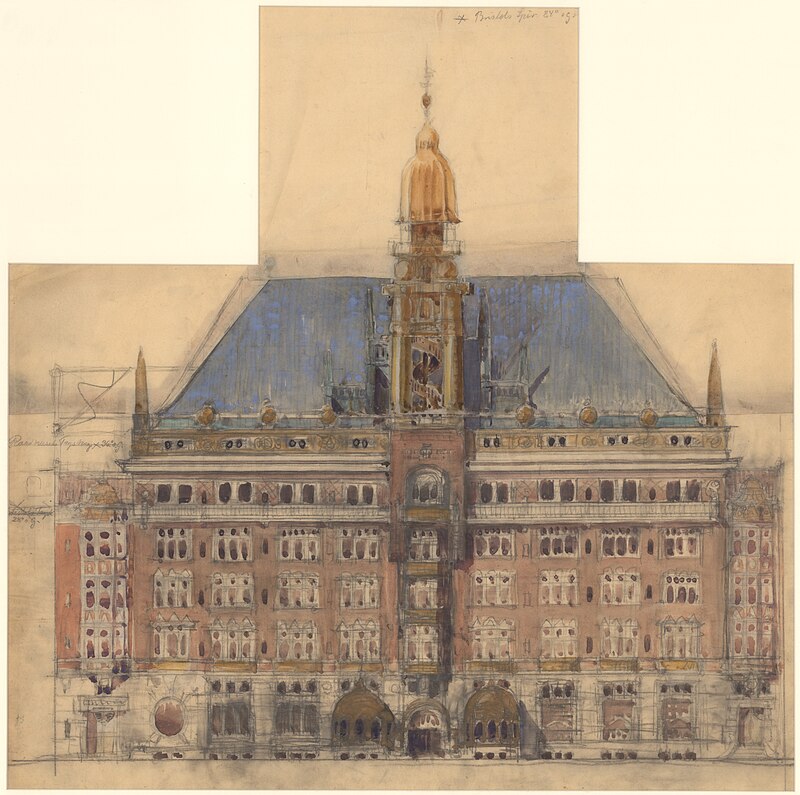
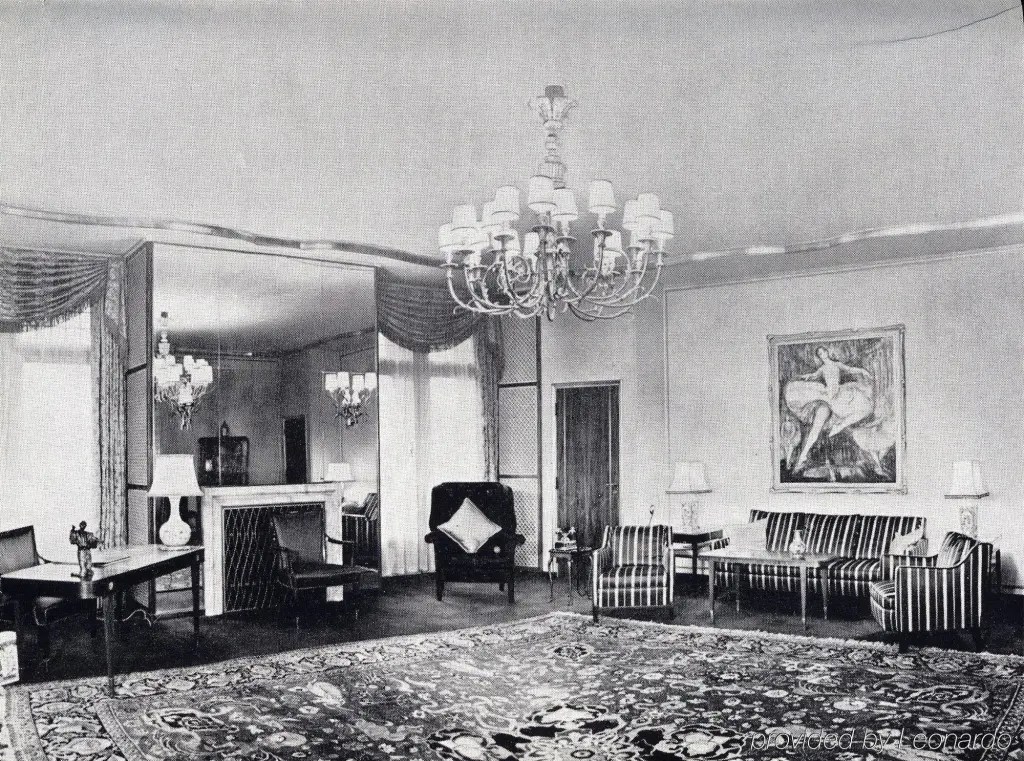
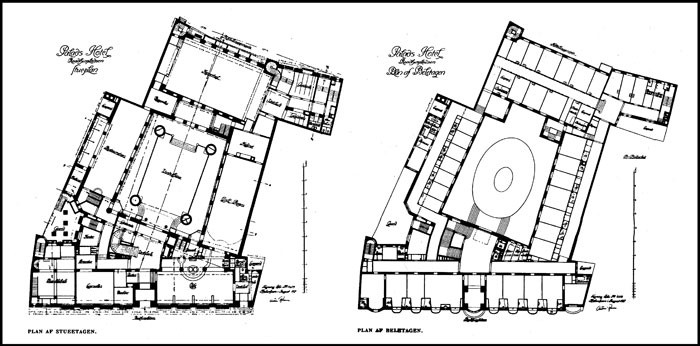
But this was never just another hotel. When master butcher-turned-entrepreneur Anders Jensen opened it, he dared to think beyond lodging. Jensen brought Rosen on not simply to design a building, but to craft a complete world: from the flowing lines of the façade to the furniture, textiles, wallpaper, cutlery and even the staff uniforms. It was a total design experience — a gesamtkunstwerk — long before lifestyle hotels were even imagined.
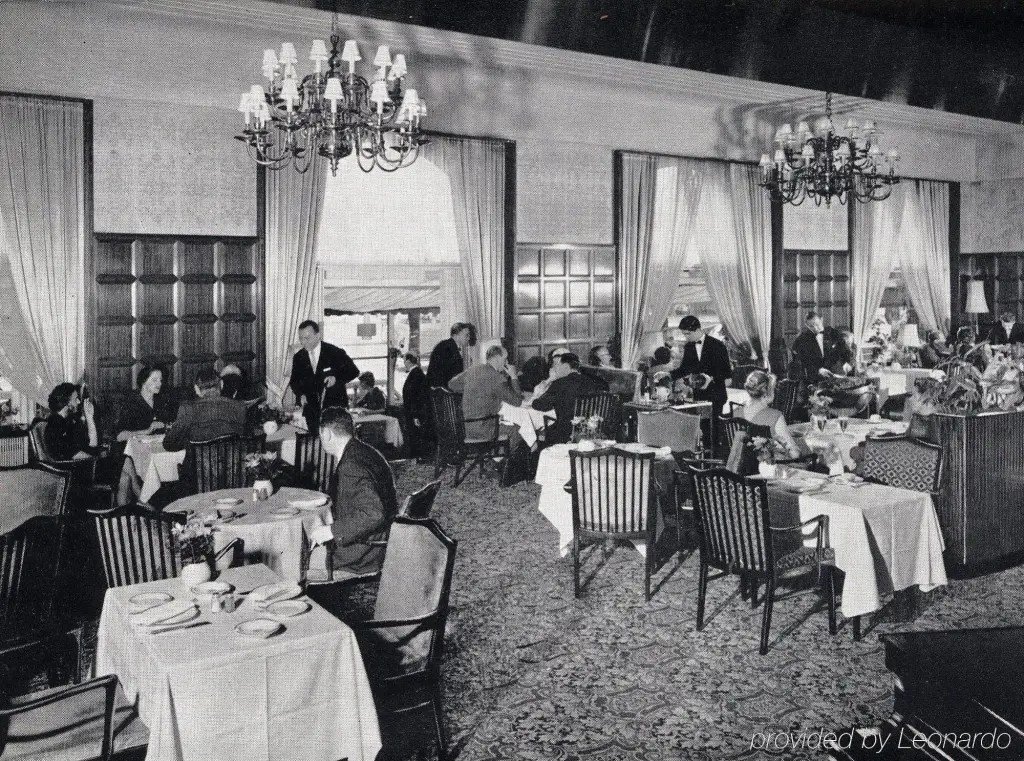
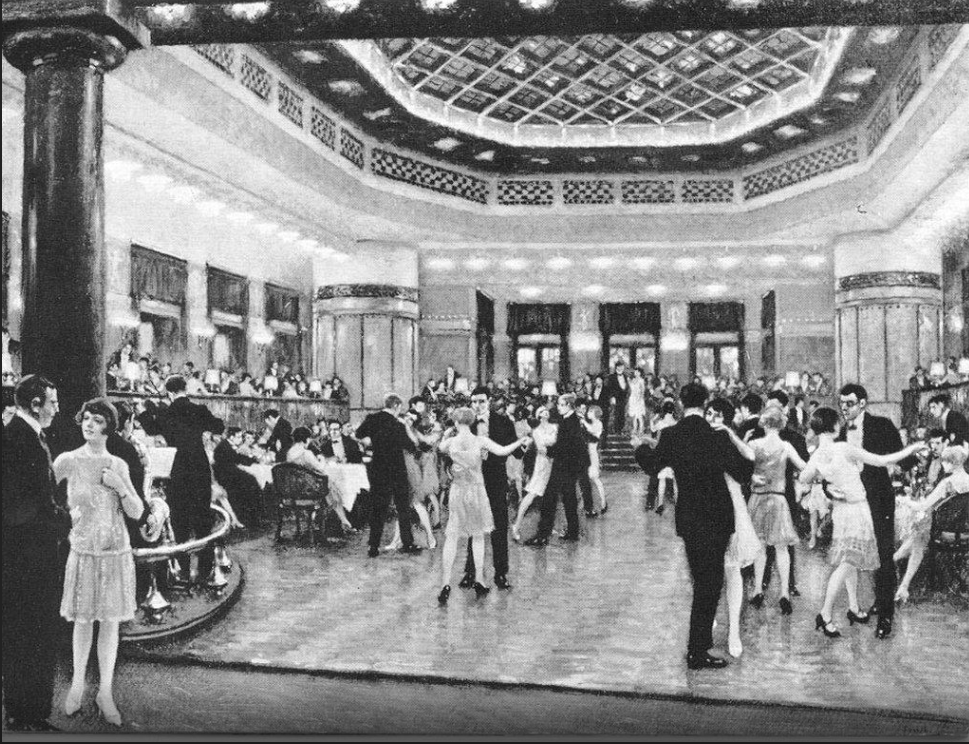
Within its storied walls, the Palace became a backdrop for milestones: lavish balls in its grand ballroom, the founding of the International Handball Federation in 1946, and glittering nights in the famed Ambassadeur nightclub during its mid-century heyday. Its position at the city’s historic western gate — once the bustling haymarket — has always made it a meeting point of travelers, artists, and dreamers.
A Grande Dame in Waiting
By the end of the 20th century, the Palace entered a turbulent chapter. In 1999, the storied building changed hands once more, and between 2005 and 2009 it operated under Starwood’s Le Méridien brand (now part of Marriott). Ambitious yet ill-fated renovations during this period stripped away nearly all of Anton Rosen’s lavish Art Nouveau interiors — a move that left only the imposing red-brick façade and the landmark tower to hint at its former glory. When Scandic Hotels took over in 2009, hopes for a revival dimmed; the building continued to function, but its spirit — the daring, theatrical soul that once defined the Palace — seemed to fall silent, waiting for its next great act.
Today, the hotel still stands at Rådhuspladsen 57, 1550 Copenhagen V, with 169 rooms and suites. It currently carries a 4-star rating and operates under the Scandic brand. On Booking.com it scores 7.7 out of 10 — a mere “good” — while location scores an impressive 9.6. On TripAdvisor it ranks #63 out of 128 Copenhagen hotels, with location rated 4.8 out of 5. The hotel’s own website is https://www.scandichotels.com/en/hotels/scandic-palace.
Poised for Reinvention
These numbers reveal a telling truth: guests love where the Palace is, but not what it is. While some rooms are impressively large by Scandic’s usual standards, others are surprisingly compact — basic economy rooms start at just 15 m², and even the so-called Presidential Suite (a name that feels oddly out of place in a Danish kingdom) measures only 58 m². For a property once conceived as Copenhagen’s most opulent hotel, these proportions now feel constrained.
Compare this with the nearby Nobis Hotel, housed in the 1903 Royal Danish Conservatory of Music, where rooms begin at 24 m² and the grand suite stretches to 98 m². There, modern Danish design is seamlessly layered with original architectural details, creating a calm, contemporary elegance rooted in heritage. This is precisely the path the Palace must follow: to reclaim its place as a cultural landmark by fusing the clean sophistication of modern Danish design with subtle, evocative nods to the Art Nouveau spirit that once defined it.
Redefining the Palace Experience
To truly reclaim its stature, the Palace must be reimagined not just cosmetically, but spatially and experientially. The current patchwork of room types — from tiny 15 m² economy rooms to the modest 58 m² top suite — needs to be restructured into a hierarchy that reflects genuine luxury and generosity of space. This means combining some of the smallest rooms into larger categories, introducing spacious junior suites around 35–40 m², and creating a handful of grand signature suites between 80–100 m², perched high in the tower or overlooking Rådhuspladsen. These new suites could be named after cultural icons, artists, and architects connected to Copenhagen, replacing generic titles like “Presidential” with names that root the hotel firmly in Danish heritage.
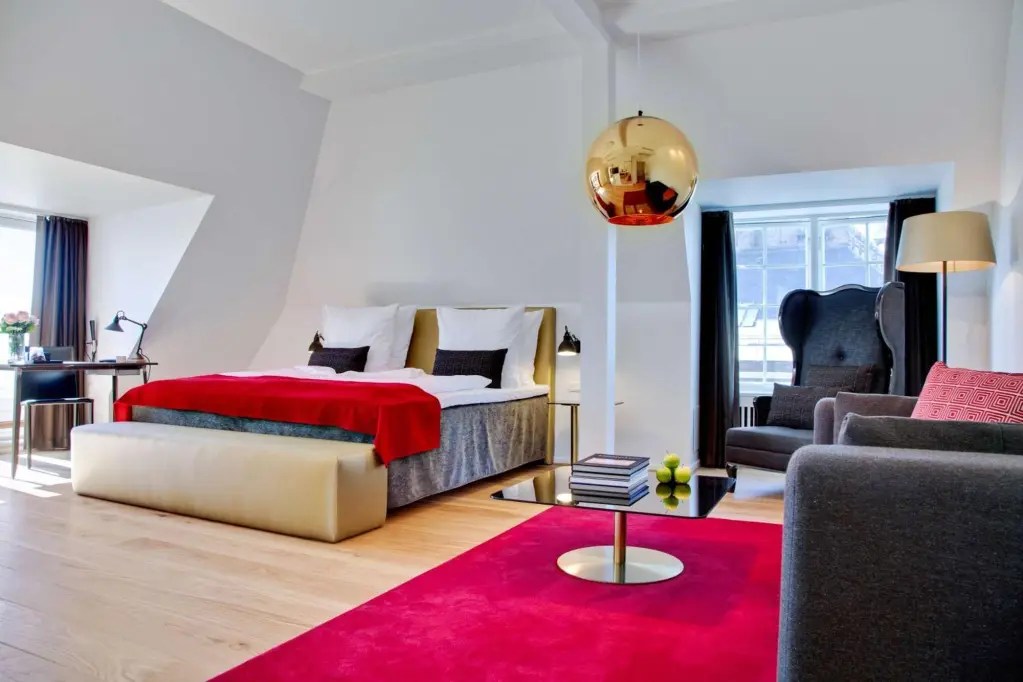
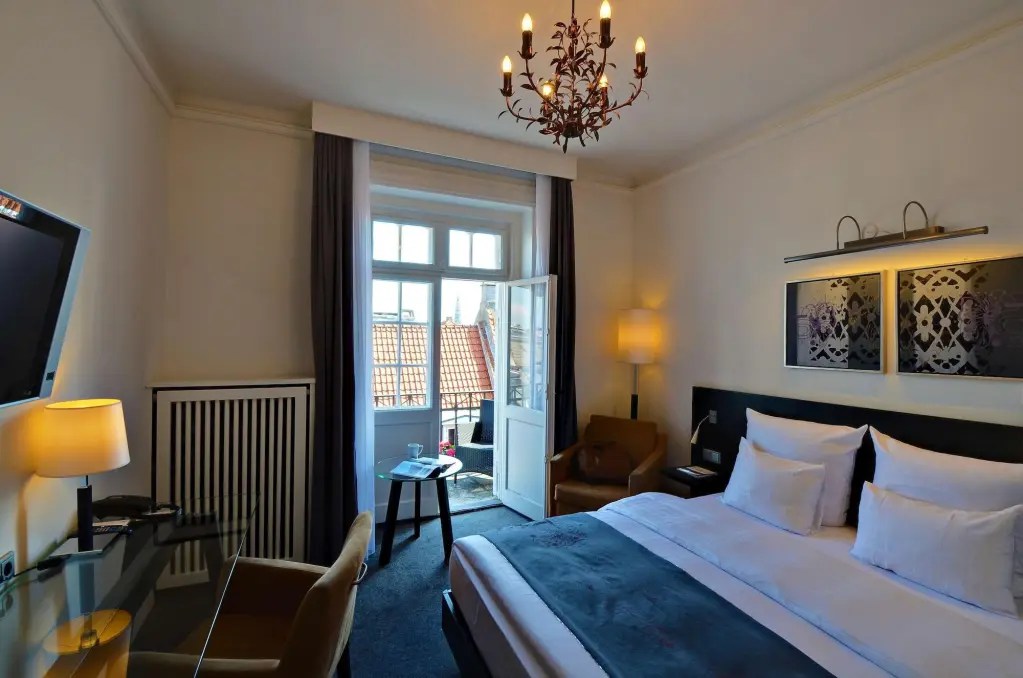
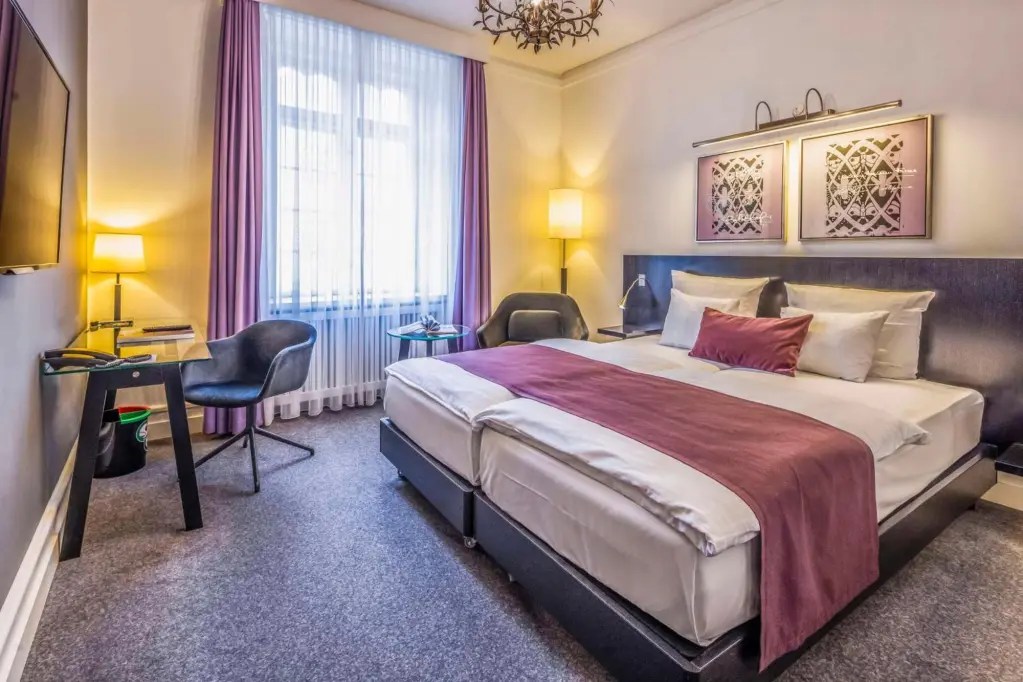
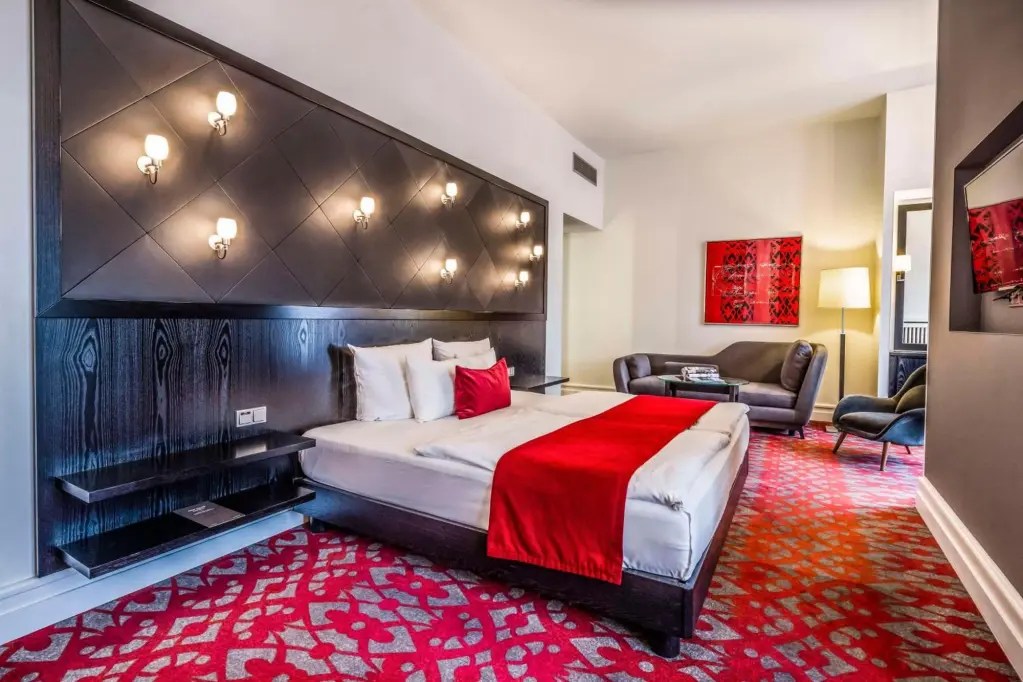
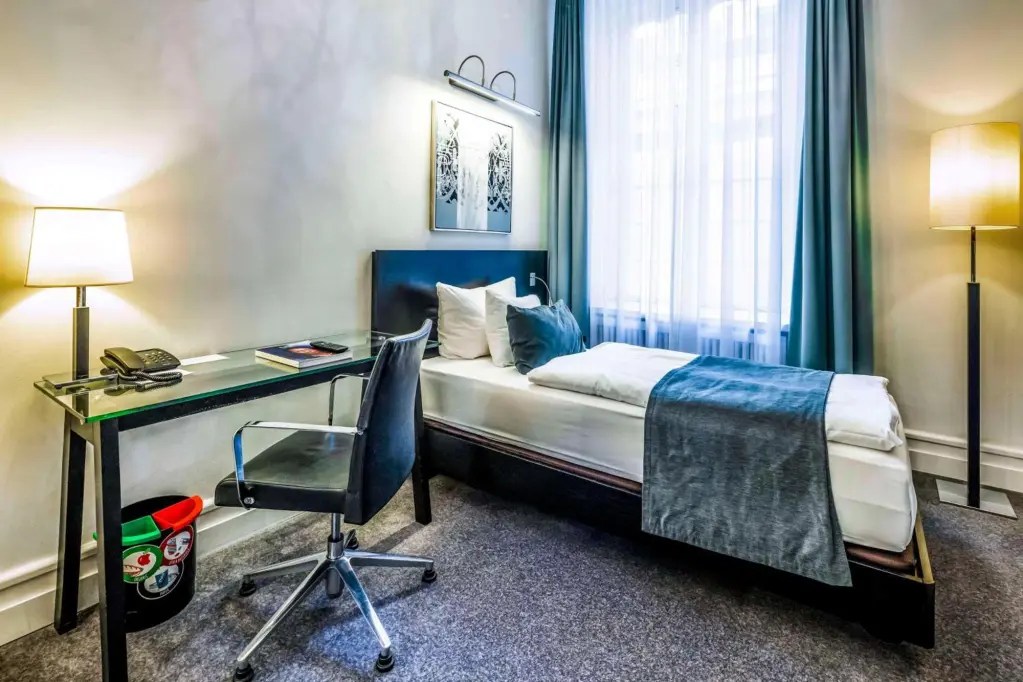
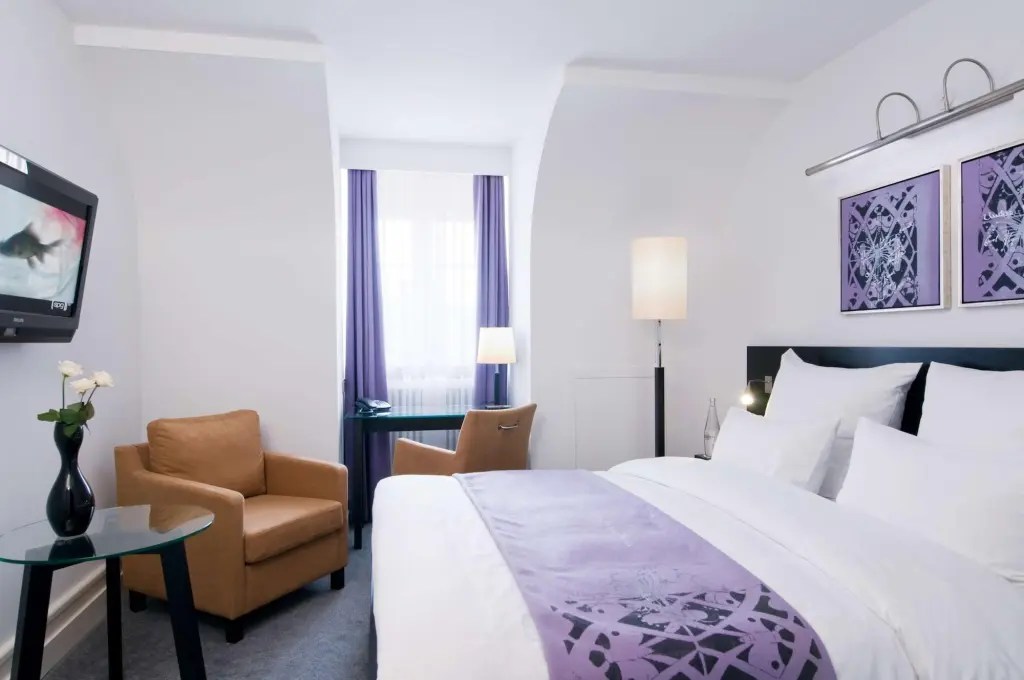
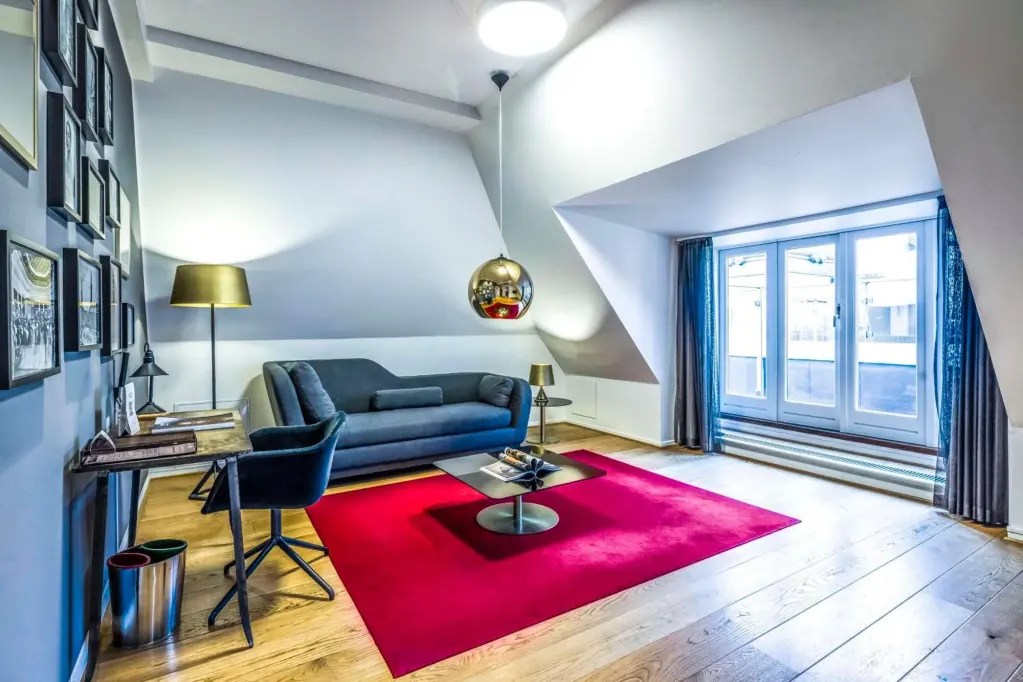
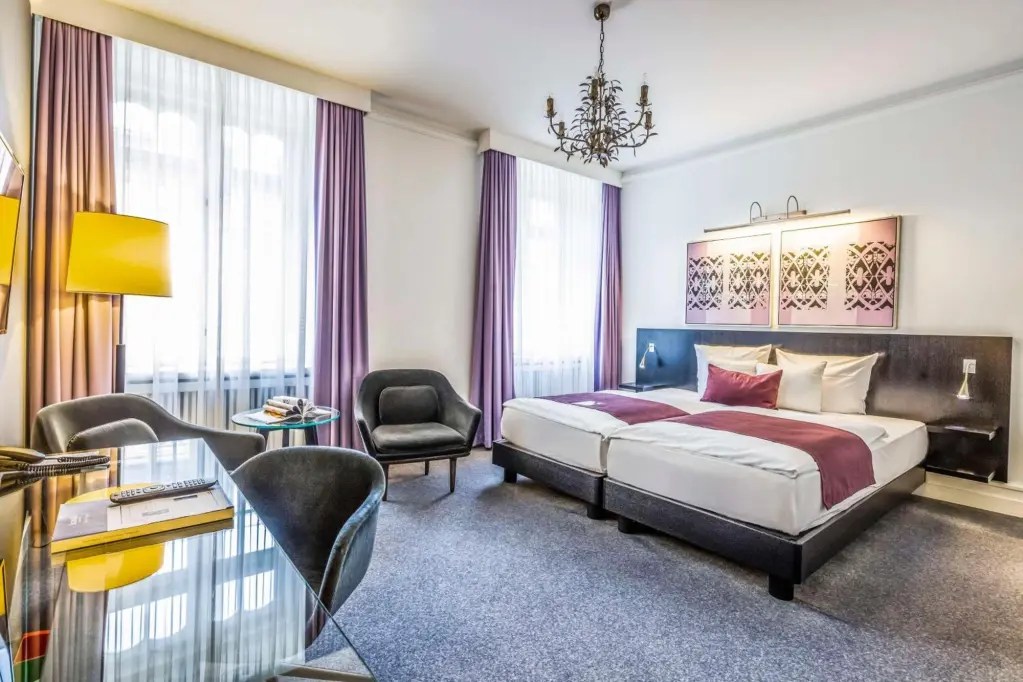
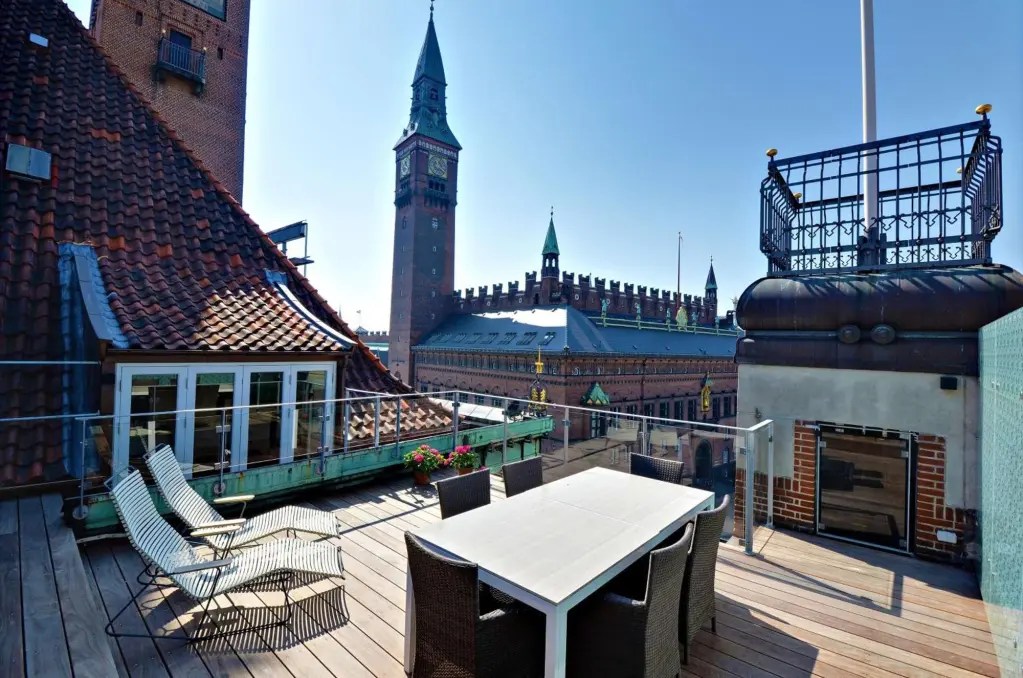
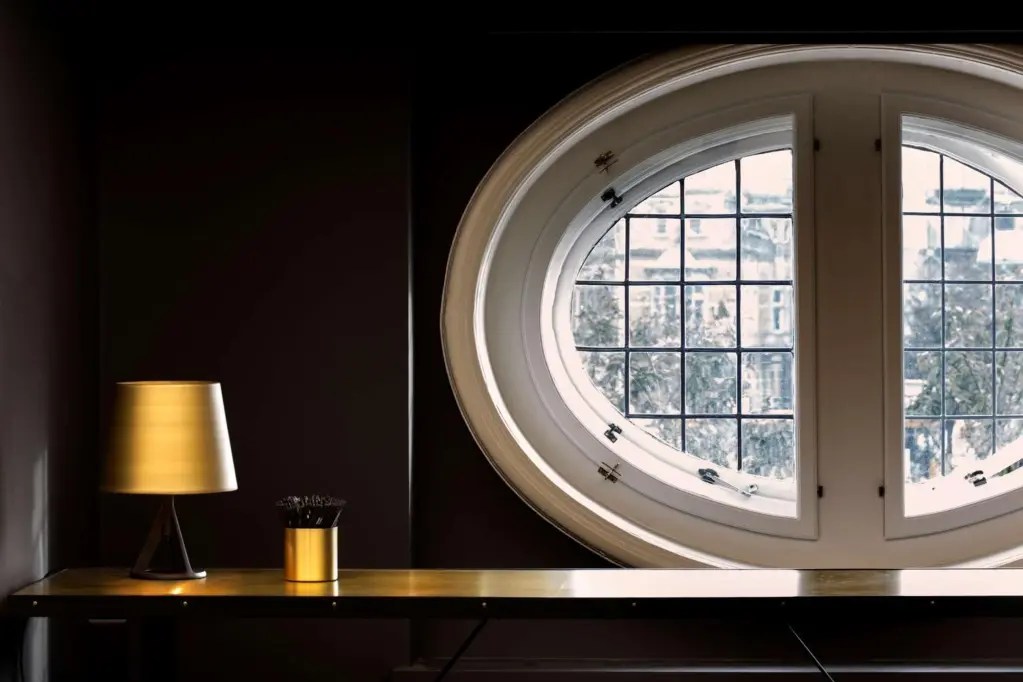
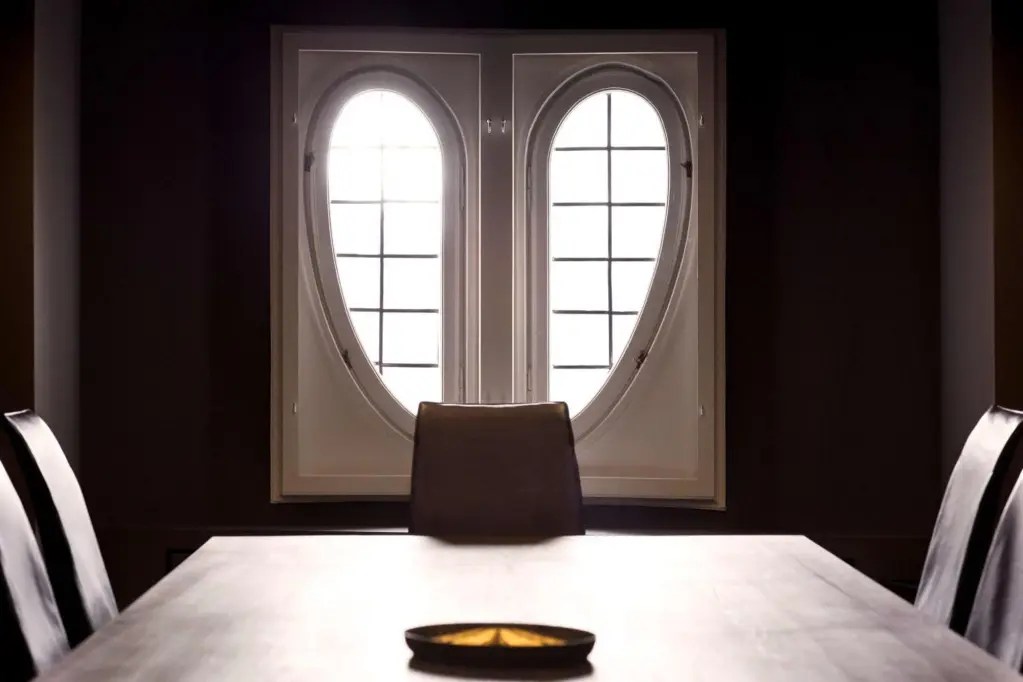
Inside, the design language should bridge eras: refined modern Danish craftsmanship — pale woods, natural textures, clean lines — interwoven with delicate Art Nouveau flourishes that echo Anton Rosen’s vision. Think curved brass details, flowing organic motifs in custom textiles, softly arched doorways, and lighting that glows like warm candlelight against the building’s historic brick bones. The result would be rooms that feel airy, calm, and contemporary, yet unmistakably anchored in the hotel’s story — a living tribute to its past, and a statement of its future.
Breathing Life into the Public Spaces
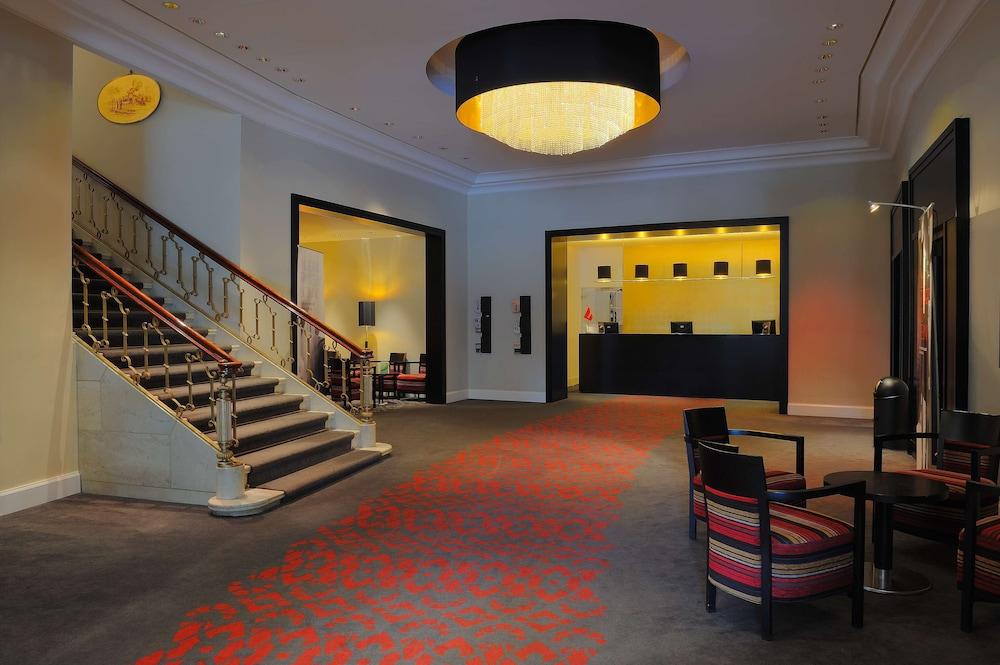
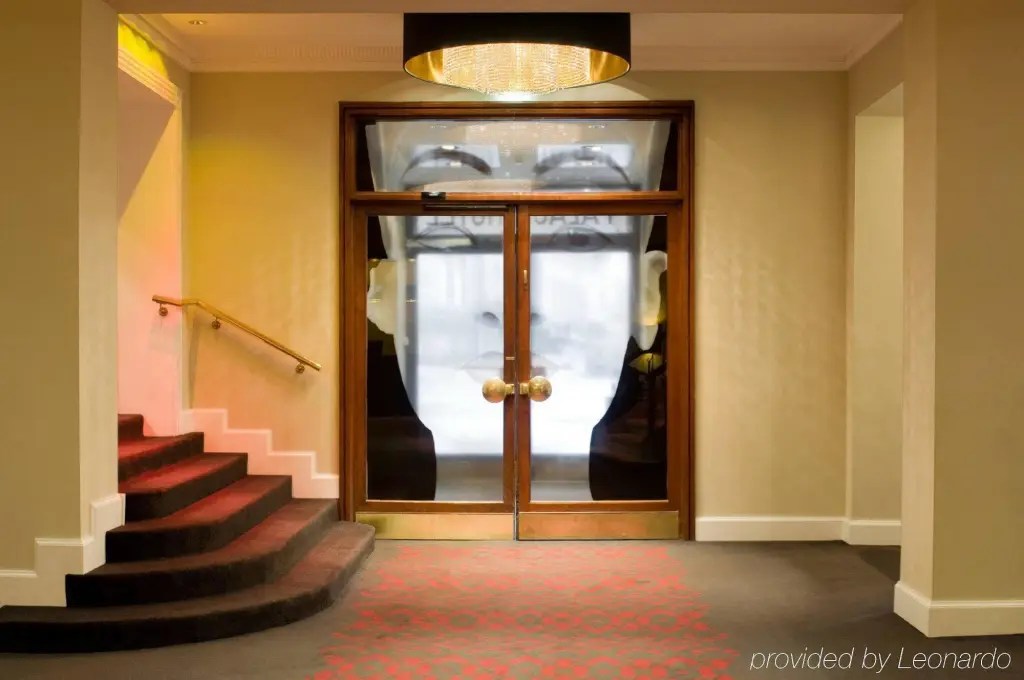
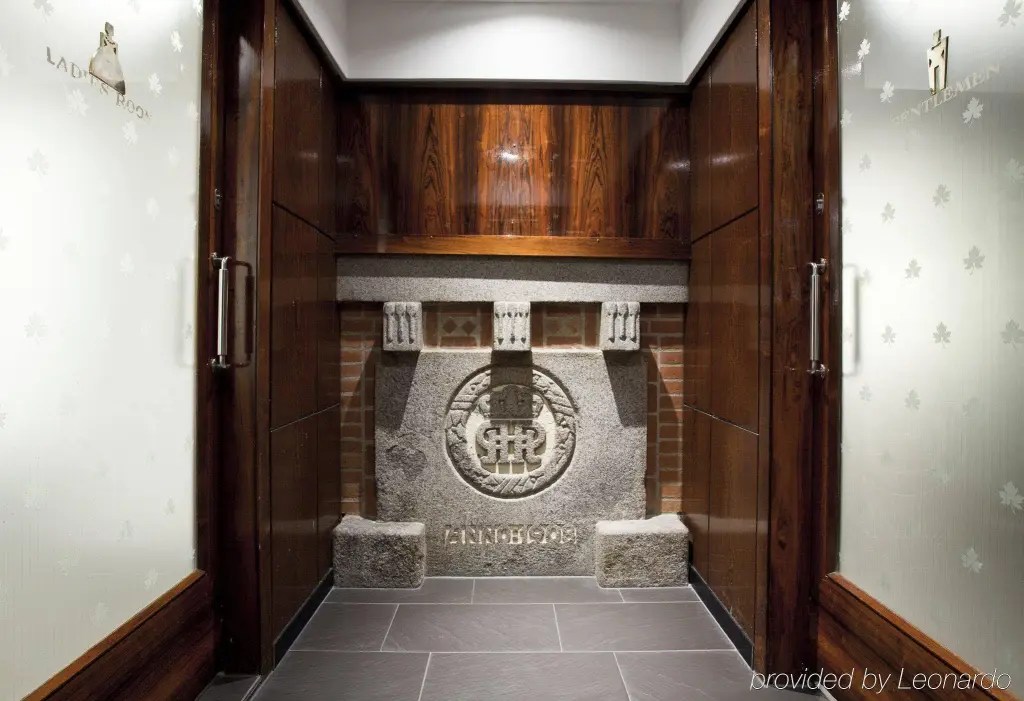
If the guestrooms are where guests retreat, the public spaces are where the Palace can truly perform — becoming once again the beating heart of City Hall Square. The soaring lobby, long one of the building’s most beautiful surviving spaces, should be reimagined as a grand yet welcoming “living room of Copenhagen”: light-filled by day, softly theatrical by night. Here, curated Danish design pieces could sit alongside bespoke Art Nouveau–inspired furnishings — fluid silhouettes in warm brass, handblown glass, and velvet — all framed by the original brick and sandstone.
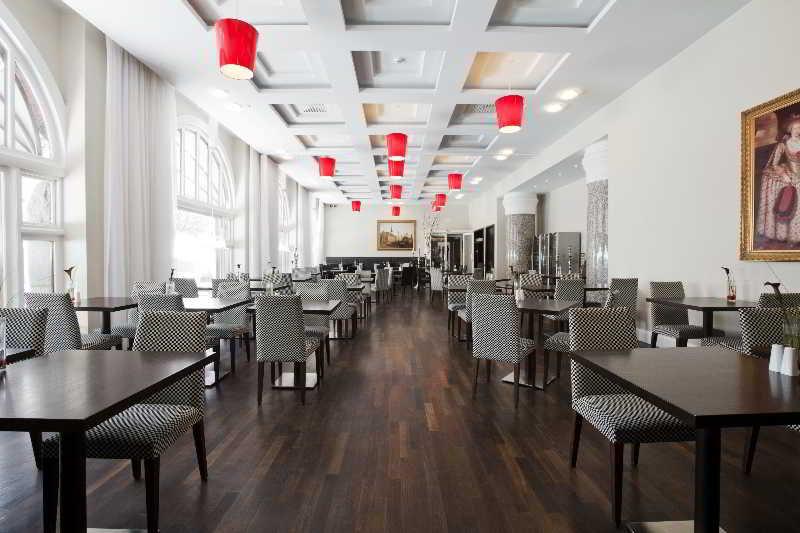
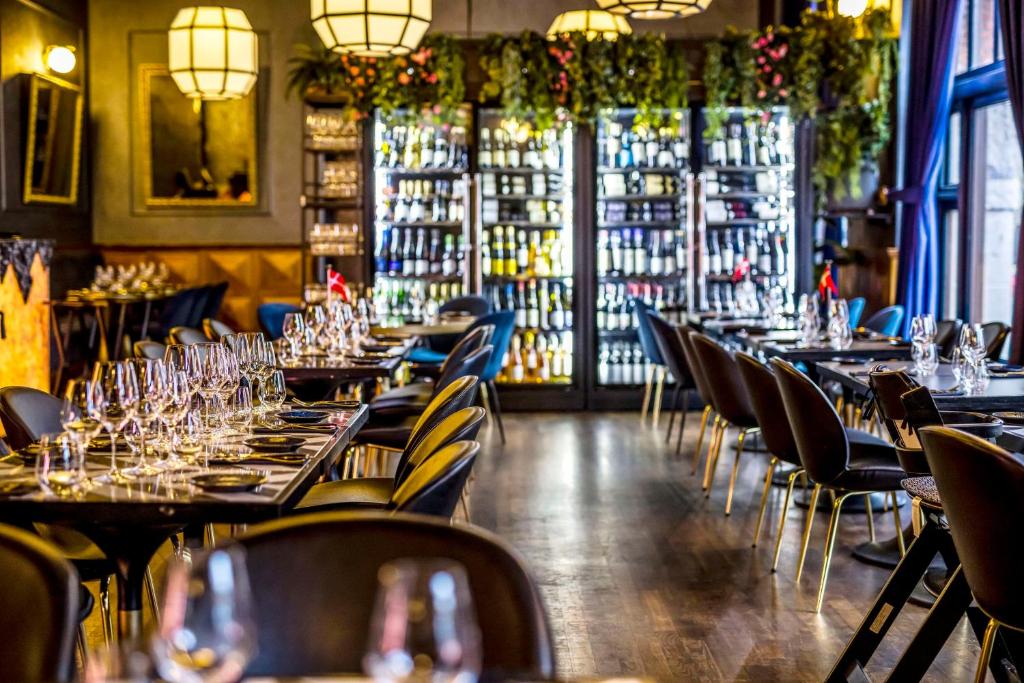
A new restaurant and bar could anchor the ground floor as social magnets for locals as well as travelers, embracing the city’s celebrated culinary culture. Rather than a generic hotel restaurant, the concept should be rooted in Copenhagen’s vibrant design and food scenes: Nordic ingredients presented with quiet elegance in interiors that pair modern Danish minimalism with organic, Rosen-esque detailing.
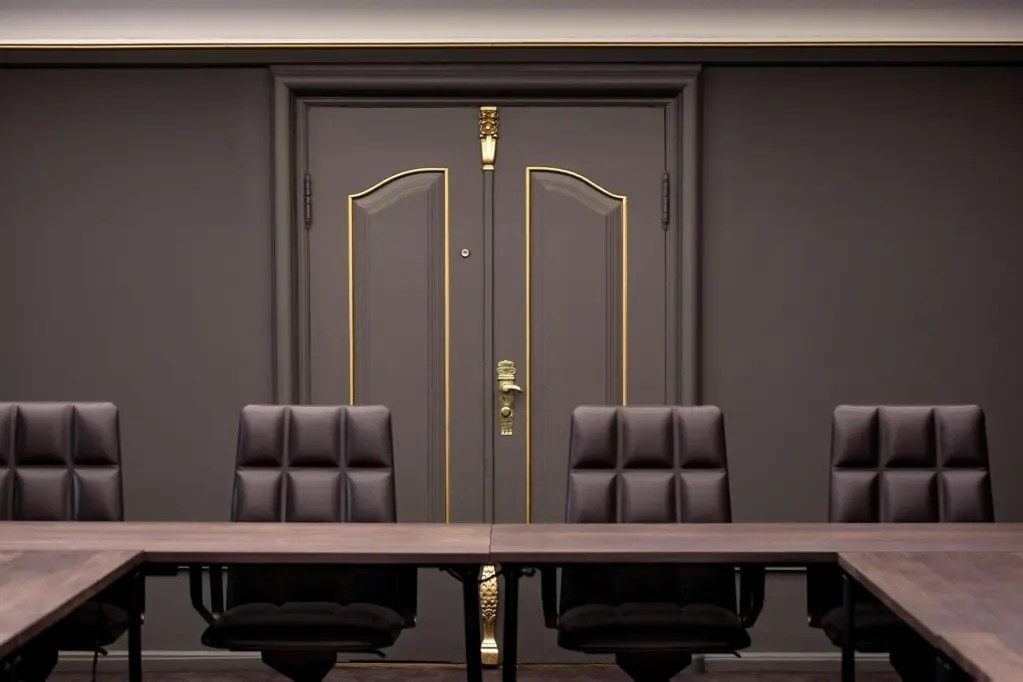
Restoring the Palace Name — as an Independent Icon
Central to this rebirth is reclaiming the Palace name not as a generic label, but as a singular identity — bold, confident, and proudly independent. For decades, the hotel has drifted through a series of owners and chains, from Le Méridien to Scandic, each imposing their own brand layer while diluting its soul. This new chapter must break with that pattern. The Palace will not be absorbed into a portfolio or softened into a templated “five-star experience.” It will stand alone — one-of-one — as Copenhagen’s own grand hotel (sorry D’Angleterre).
That does not mean ignoring the interest such a property would inevitably attract. The likes of Mandarin Oriental or Rosewood would surely eye the Palace as a jewel for their collections, and Scandinavian hospitality magnates like Petter Stordalen might covet it for his Strawberry empire. But the Palace’s strength will be precisely in not needing a banner above its own. Its story, its architecture, and its sense of place are powerful enough to carry the brand on their own terms.
The visual identity should embrace this confidence: clean and minimal, rooted in Danish design restraint, yet touched with lyrical Art Nouveau curves that echo Anton Rosen’s hand. The tone of voice should be cultured yet warm, worldly yet distinctly Copenhagen. This is not a hotel that tries to be everywhere — it is a hotel that could only exist here, and nowhere else.
The Case for Transformation
Upgrading the Palace from its current 4-star level to a true 5-star property would not only align its status with its location and history — it would dramatically increase its market value. Copenhagen’s high-end hospitality sector remains undersupplied relative to demand, and the Palace’s position on City Hall Square is unrivalled. With 169 rooms, the focus can shift from volume to quality, commanding significantly higher rates through fewer but larger and more luxurious suites.
Pros:
- Iconic historic façade and tower in prime central location
- Strong name recognition and heritage narrative
- Compact room inventory ideal for repositioning toward luxury
- Enormous potential for value uplift through rebranding and renovation
Cons:
- Loss of original interiors means creating an entirely new design identity
- Cost of combining and rebuilding rooms to luxury standards
- Current perception as a “tired” 4-star property may require bold marketing to overcome
- Need to operate independently without chain infrastructure or loyalty base
Yet these challenges are exactly what make the project compelling. They offer a blank canvas — and a rare chance to create something singular in a city that treasures both heritage and innovation.
Interested in an investor pitch? Click here.
A New Chapter for Copenhagen’s Grande Dame
The Palace has always been more than bricks and mortar. It was conceived as a total work of art — a beacon of ambition, creativity, and cultural life at the very heart of Copenhagen. For over a century it has watched the city transform from its perch on Rådhuspladsen, weathering cycles of grandeur and neglect. Now, as Copenhagen surges forward as a global capital of design and gastronomy, the Palace has the chance to step back into the spotlight — not as a relic, but as a living emblem of the city’s spirit.
This transformation is not about nostalgia. It is about honoring Rosen’s daring vision by channeling it into the present: generous rooms and luminous suites, crafted interiors that marry modern Danish refinement with the lyrical soul of Art Nouveau, and public spaces alive with conversation, music, and art. It will no longer be a hotel that merely hosts travellers; it will be a cultural salon, a gathering place, a statement.
The Palace will stand proudly as itself — not a chain, not a copy, but Copenhagen’s own grand hotel reborn. Once again, the copper tower will blaze over City Hall Square not as a memory of what was, but as a symbol of what is to come: the Palace, awake and alive, at the centre of the city’s next golden age.
 DOUBLEDOWN Hotels
Leave a comment