
Why Hotels Must Stop Drowning in Sub-Brands
Marriott’s announcement—the launch of Four Points Flex by Sheraton—isn’t just another brand expansion. It’s a symptom of a deeper problem in hospitality: the endless proliferation of sub-brands that threaten to dilute the very identities they are supposed to strengthen.
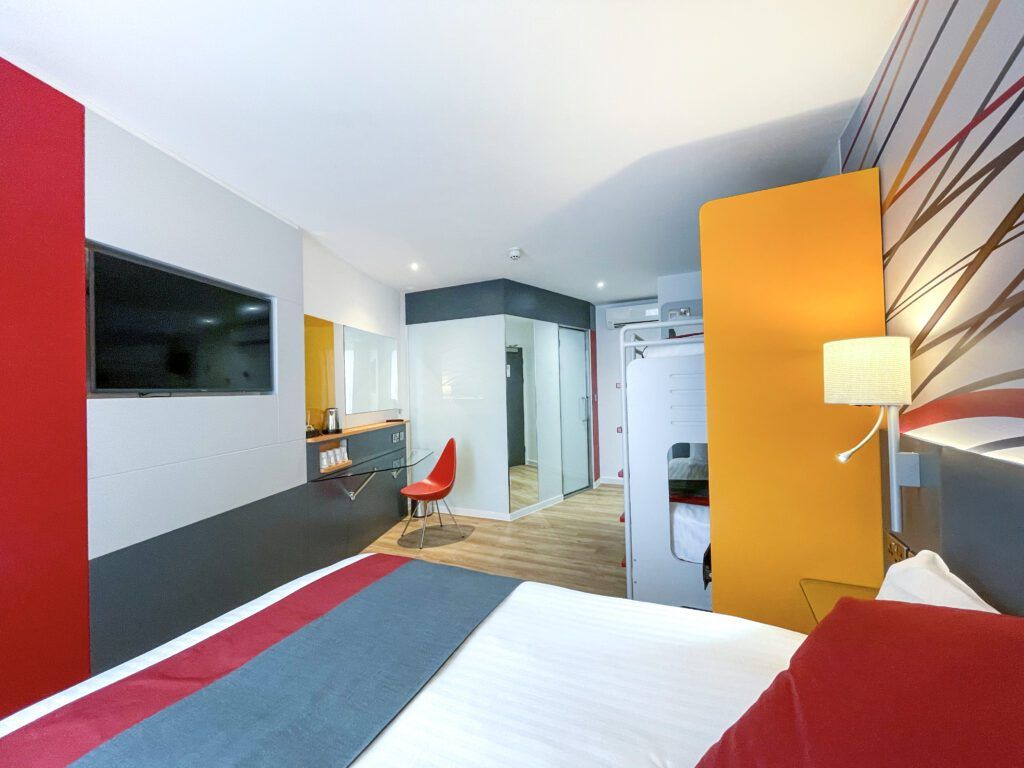
The concept itself isn’t misguided. Flex is pitched as a “high-growth affordable midscale” product, with conversions in the UK and Denmark. Approachable design, regional tailoring, and new customer reach—these are valid ambitions. But when the name on the door reads Four Points Flex by Sheraton, a Marriott brand, what story is the guest supposed to hear?
This is brand strategy eating itself.
Four Points is already a sub-brand of Sheraton, which itself sits under the Marriott umbrella. Adding “Flex” creates a sub-sub-sub brand that few travelers will recognize, let alone understand. At some point, brand architecture becomes brand spaghetti—too tangled to guide customer choice, too fragmented to inspire loyalty.
We’ve seen this play before. Best Western carved itself into “Plus,” “Premier,” “Premier Collection,” “Signature Collection,” and more. Instead of clarity, it created confusion. Instead of elevating the core, it blurred the edges. The lesson is simple: customers don’t have patience for inside-baseball segmentation. They want recognizable names that carry trust, quality, and consistency across borders.
Marriott would have been better served by stripping the jargon and positioning this new flag boldly on its own. Flex Hotels could have been clean, modern, and memorable. Instead, it’s buried in a naming convention that reads like a legal disclosure.
Worse, this comes at a time when Sheraton—the mothership—is still clawing its way out of decades of stagnation. Shouldn’t the energy go toward revitalizing one of the world’s most iconic hotel brands, rather than creating new splinters? A strong core brand drives more equity than a dozen derivatives.
The irony is that the very hotels converting to Four Points Flex—Sleeperz in the UK and Zleeper in Denmark—already had distinct, contemporary identities. And the Zleeper name itself is being carried forward by Deutsche Hospitality and H-World elsewhere in Europe. If everyone owns a little piece of the brand, then no one really does.
The hotel industry must ask itself a hard question: When does innovation become clutter? More logos don’t mean more loyalty. What travelers value most is clarity, consistency, and confidence in what a brand stands for.
Marriott’s new Flex experiment might succeed in the short term. But in the long run, the industry must resist the temptation to build endlessly downward and instead double down on strengthening the big, global brands that truly move the needle.
Because in hospitality, the strongest brands aren’t the most numerous—they’re the most clear.







 DOUBLEDOWN Hotels
Leave a comment