
Superbude Hamburg & Vienna Collection: Where Hostel Energy Meets Hotel Comfort
If Hamburg had a living room, it would probably look like a Superbude. What began as a bold experiment in 2008 has grown into a small-but-mighty “hotel-meets-hostel” family, where design, community, and creativity take center stage. Forget polished chains with cookie-cutter rooms—Superbude is playful, irreverent, and deeply connected to the neighborhoods it calls home.
How It All Began
The story starts with hotel visionary Kai Hollmann, the restless creative at the base of not one but two cult hotel concepts*. He was also a founding force behind 25hours Hotels, that hip, design-driven chain now owned by Accor Hotels and run under its lifestyle division Ennismore. Before that sale, though, Hollmann dreamed up something less polished and more personal: Superbude.
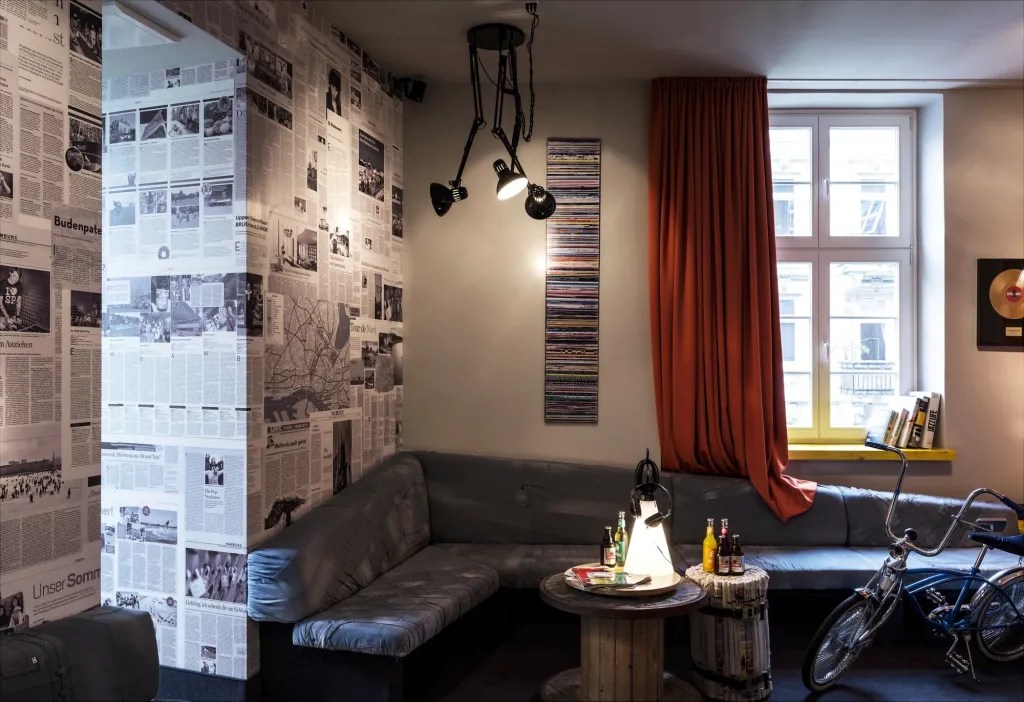
Together with a young receptionist named Jörn (who cheekily pitched himself via helium balloon) and the design team at Dreimeta, Hollmann set out to bridge the gap between a hostel’s energy and a hotel’s comfort. The result was the first Superbude St. Georg, opened in 2008 in a former printing house, bursting with DIY upcycling, communal spirit, and insider vibes.
That link to 25hours still peeks through today. Take the NENI restaurant: originally made famous in 25hours Hotels by the Molcho family, it’s now a rooftop fixture at Superbude Vienna Prater too. A reminder of the shared DNA between these two brands—even if one (25hours) has gone the corporate route with Accor, while the other (Superbude) remains fiercely independent. Let’s hope it stays that way.
The Superbude Journey
- 2008: Superbude St. Georg opens and quickly earns design awards.
- 2012: Superbude St. Pauli arrives in a former telecom office, embracing the district’s nightlife edge.
- 2021: Superbude Altona takes over the old 25hours Hotel Number One, reimagined as “Paradise Superbude.”
- 2021: Superbude goes international with Vienna Prater, expanding the formula with a rooftop restaurant, café, and event space.
More Than Just a Place to Sleep
Superbude is about stories, not just stays. Over the years, the hotels have hosted everyone from first-time backpackers to James Bay (who played his very first German gig at St. Georg). They’ve thrown street parties, created artist-in-residence programs, built ties with local cultural scenes, and become beloved hangouts for locals as much as travelers.
Today, the Buden also run their own eateries (like Bamboole at Altona, where global street food takes the stage), cafés, and event venues. Weekly happenings range from table tennis tournaments to concerts and flea markets—turning the hotels into cultural playgrounds that can’t be boxed into the “hotel” category at all.
Why Stay at a Superbude?
Because it feels less like checking into a hotel and more like crashing at your coolest friend’s flat—if your friend happened to have an in-house bar, upcycled furniture, and the best insider tips on food, music, and nightlife.
Whether you want central convenience in St. Georg, nightlife proximity in St. Pauli, a little more breathing space in Altona, or Viennese charm at the Prater, there’s a Superbude that fits your vibe.
👉 Dive into each of the Buden below in our full DNA Hotels breakdowns:
- Superbude St. Georg: Color, Community & Creative Comfort
- Superbude St. Pauli: Edge, Energy & Hamburg Attitude
- Superbude Altona: Playful West-Side Energy with Industrial Soul
- Superbude Vienna Prater: A Colorful Playground with Rooftop Views
✨ The DNA Hotels Verdict: Superbude is the anti-chain chain. Playful, social, and creative, it has resisted the temptation to become another cog in the lifestyle-brand machine. While 25hours has moved under Accor’s Ennismore umbrella, Superbude still feels like it belongs to its neighborhoods, its guests, and its stories. Long may that independence last.
(Hollmann is also behind the George and Gastwerk hotels in Hamburg, plus the Bikini Island & Mountain hotels on Mallorca)
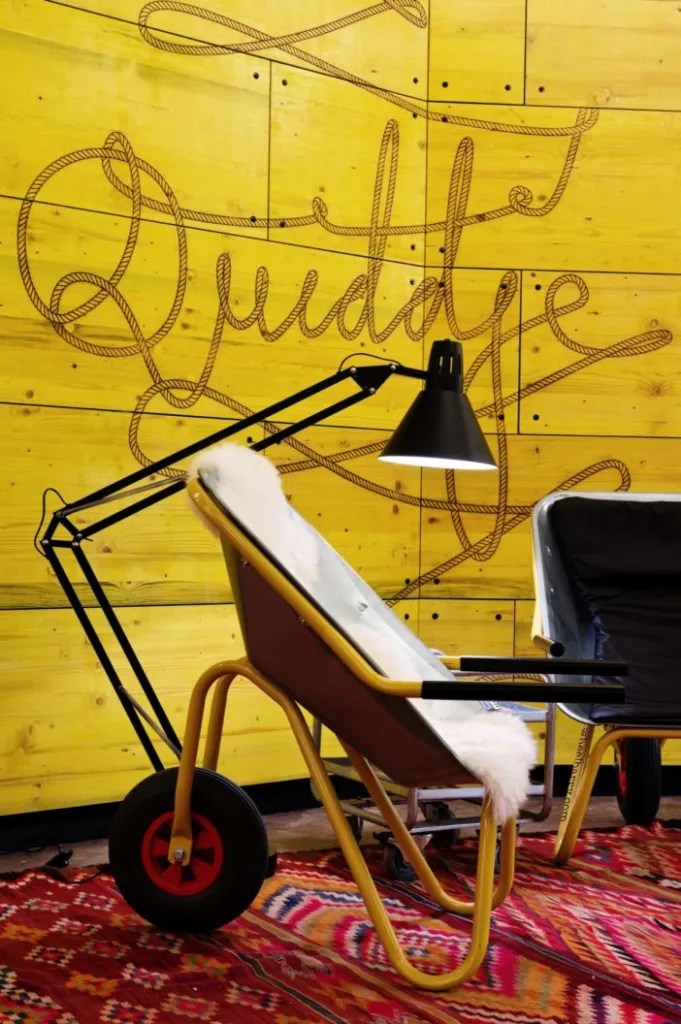
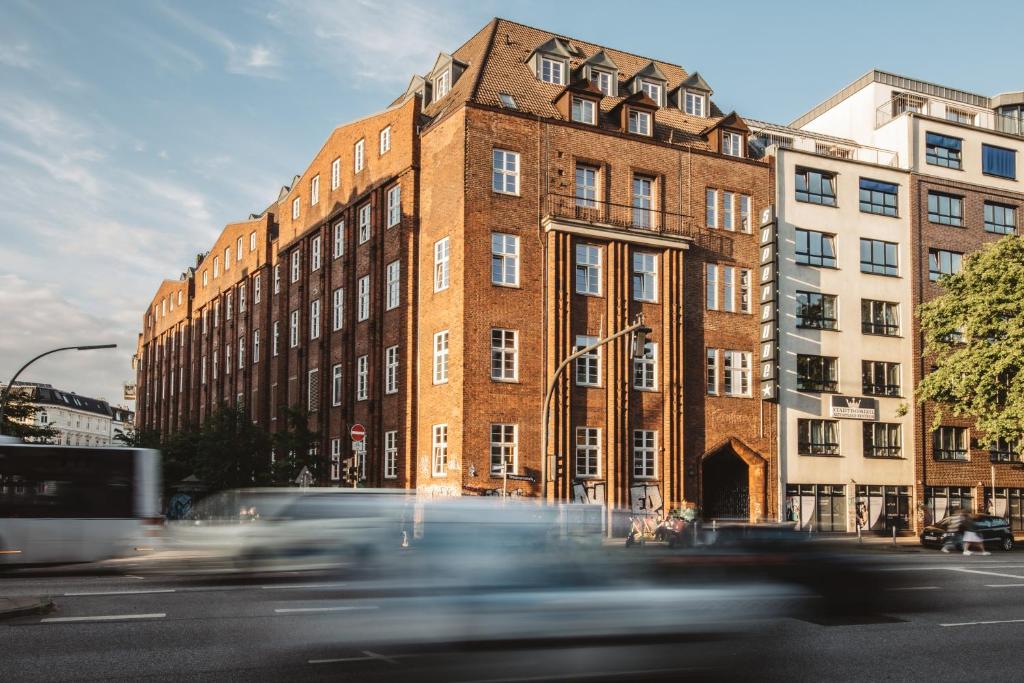
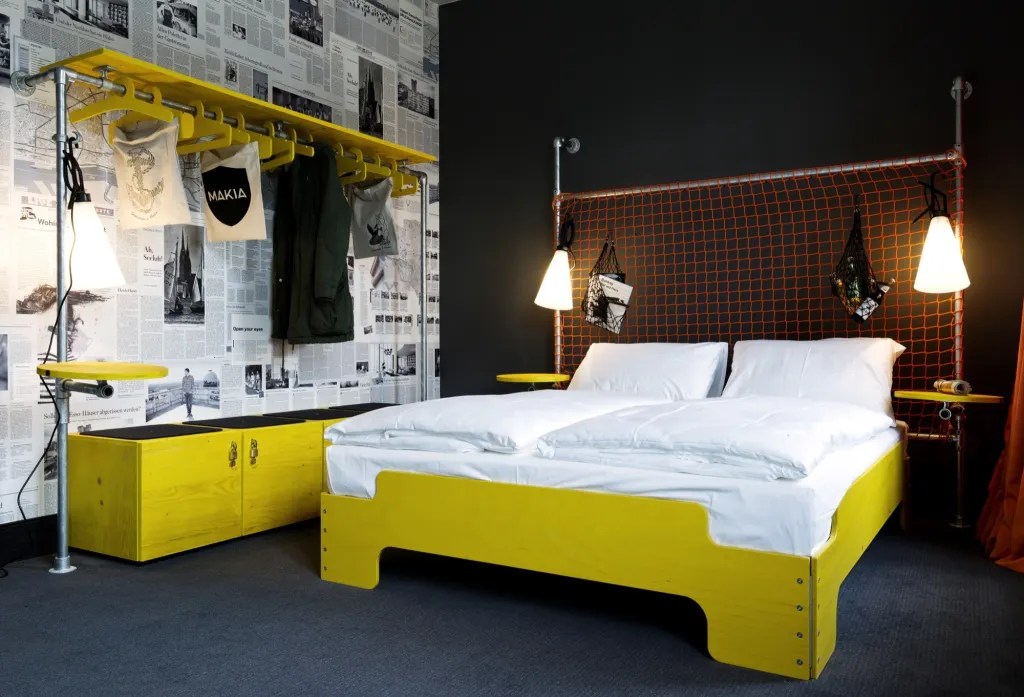
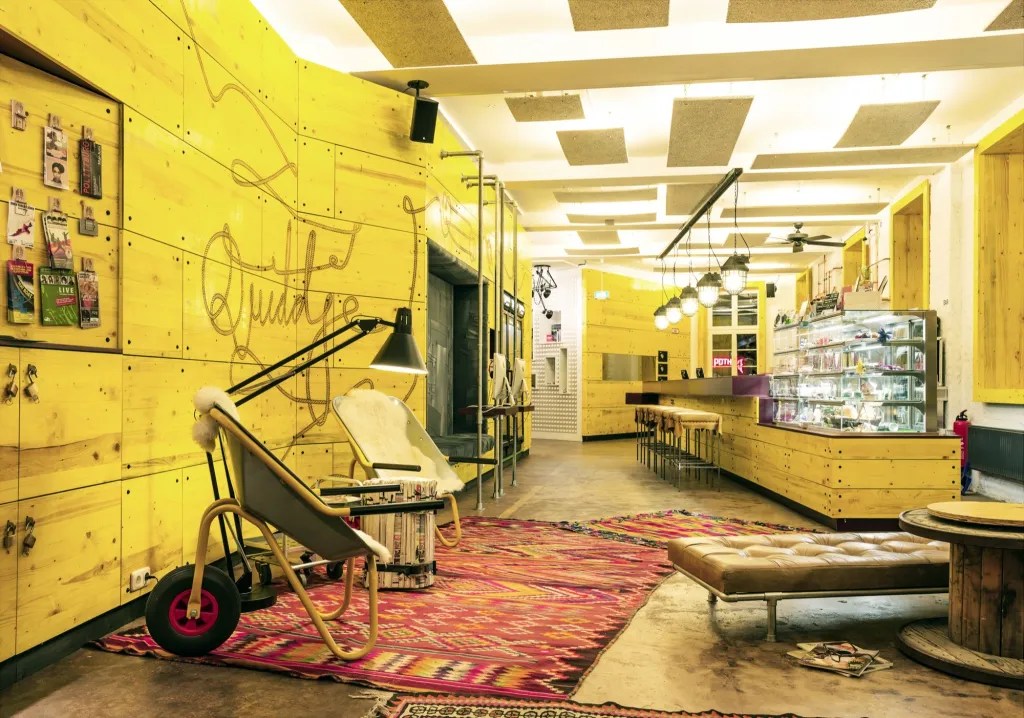
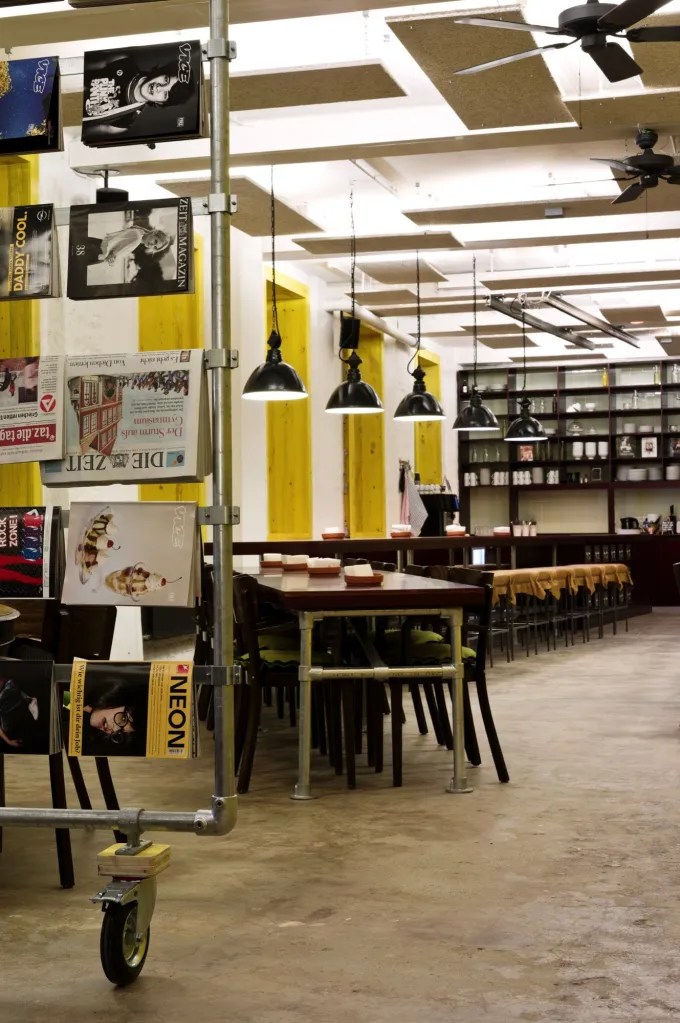
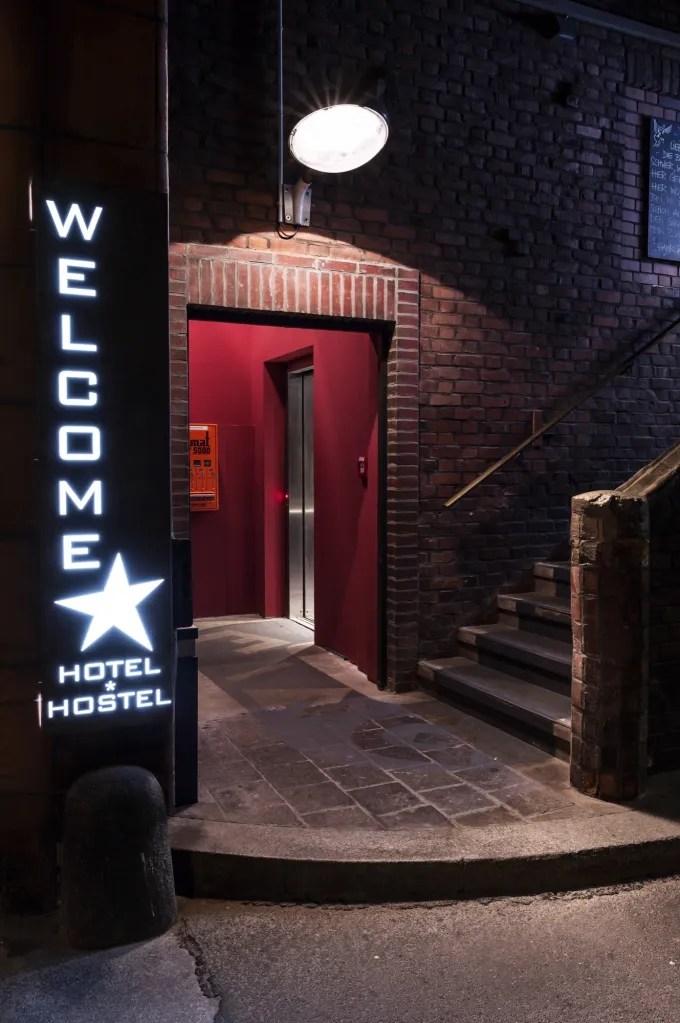
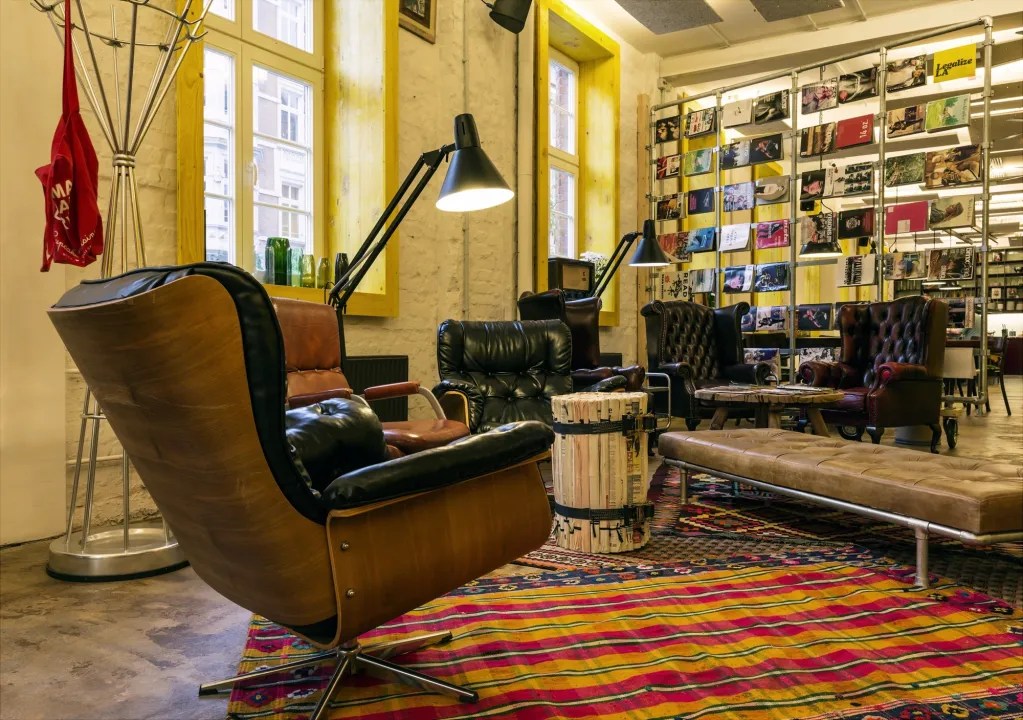
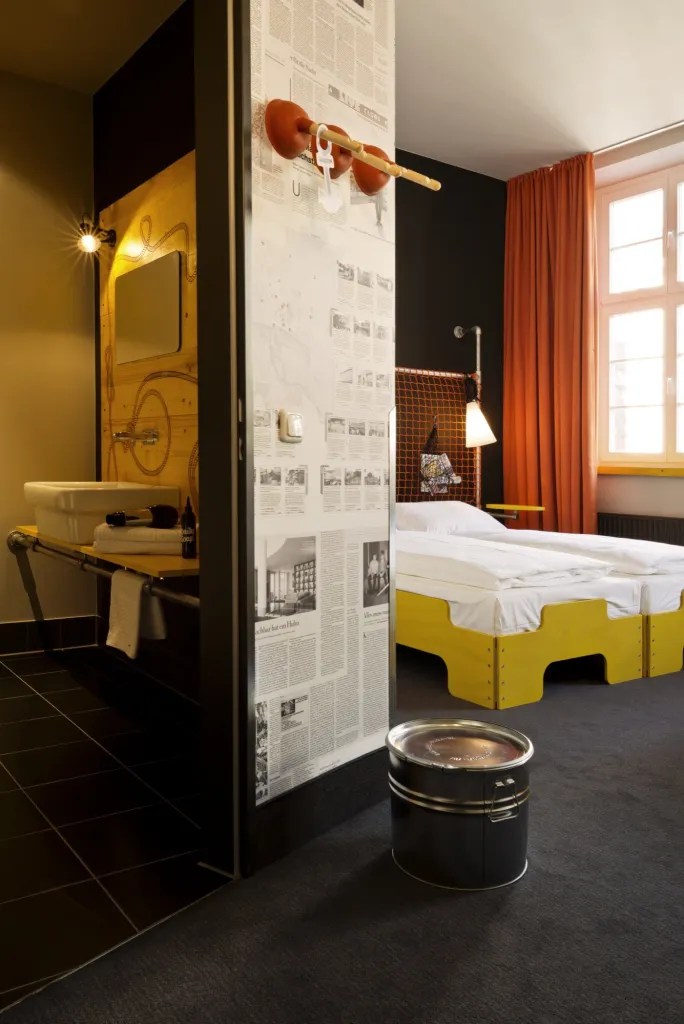
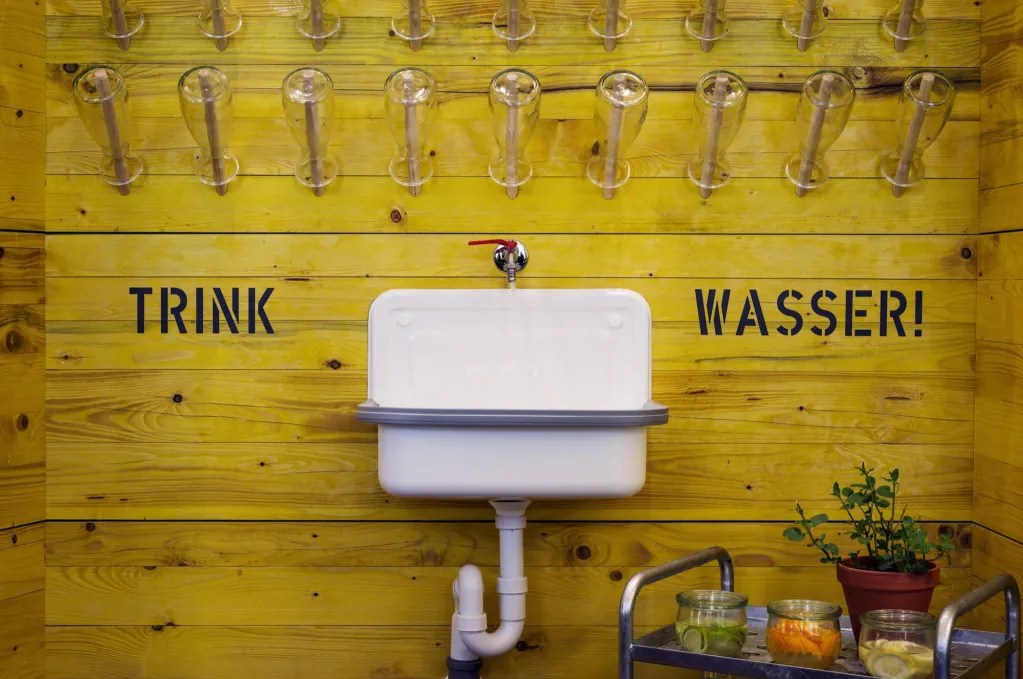
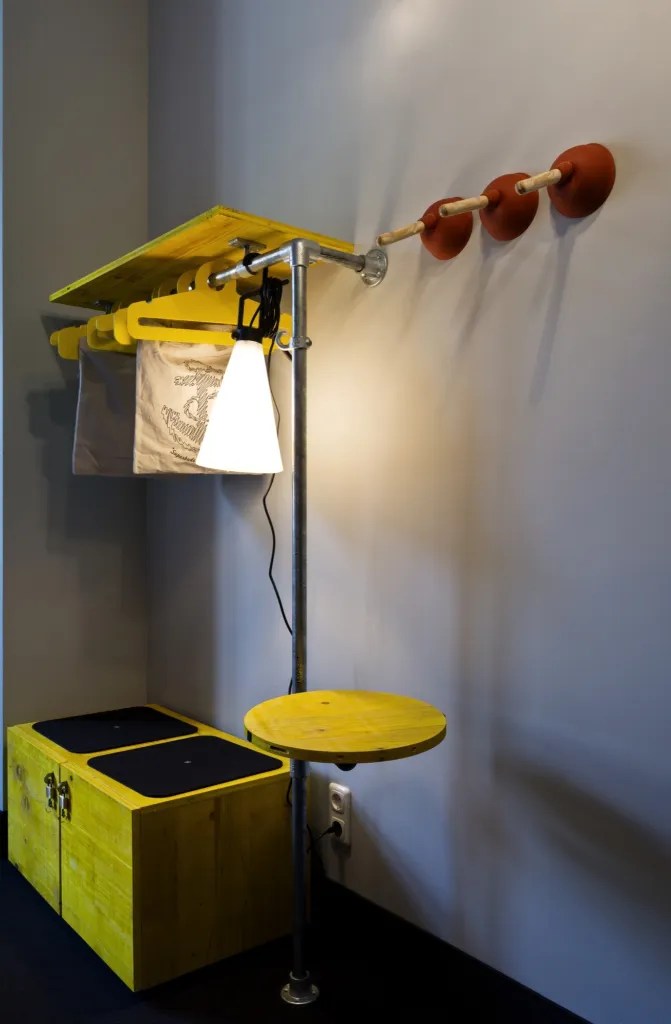
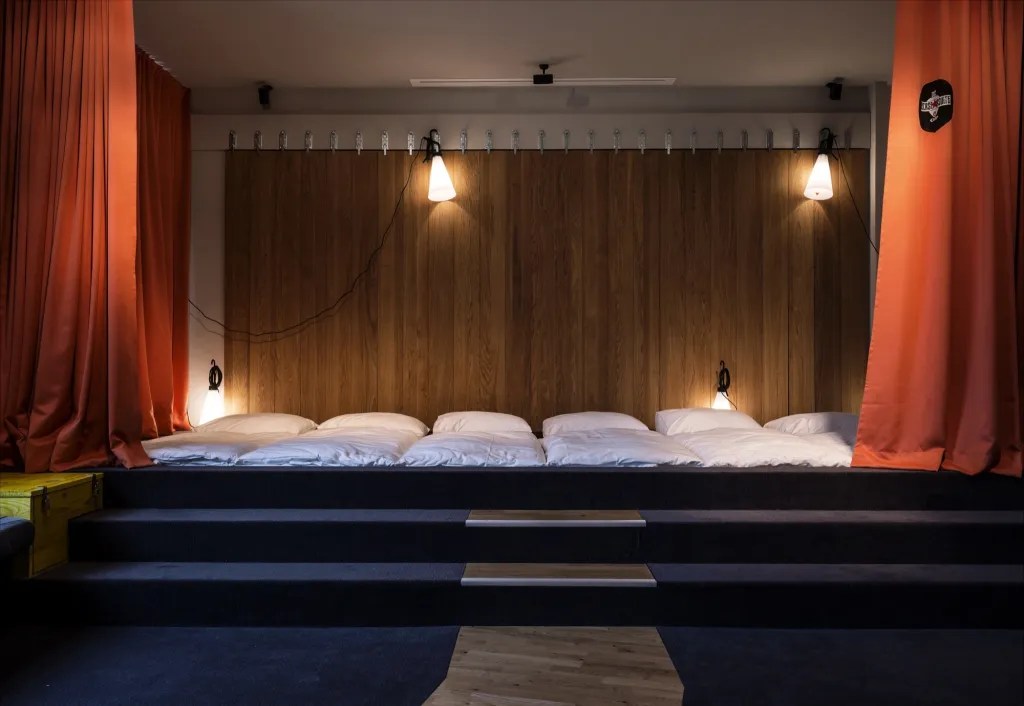
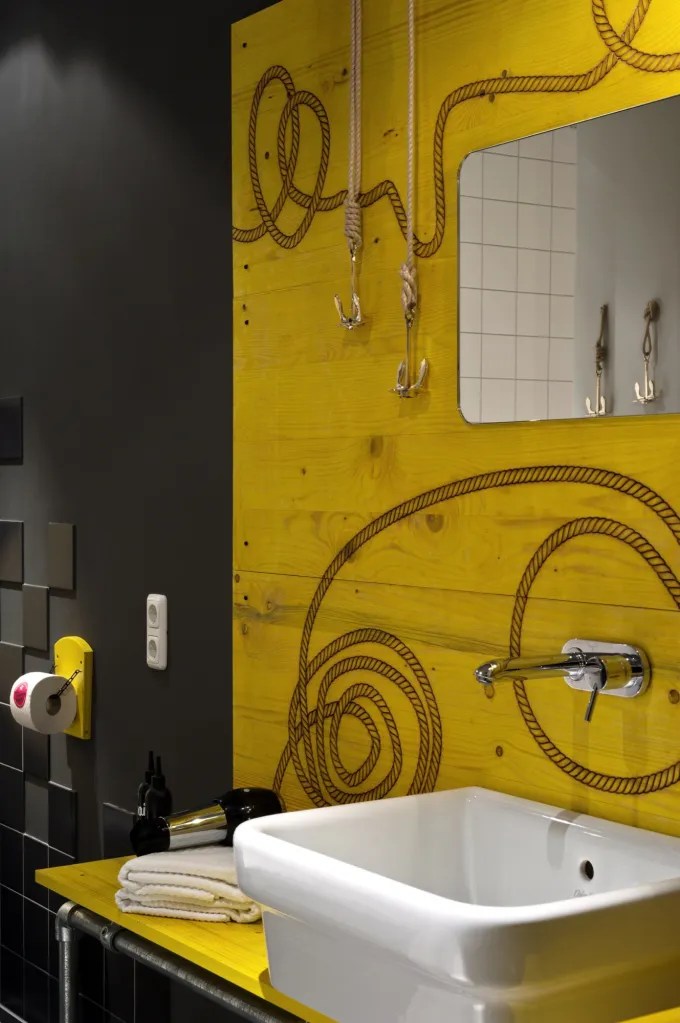
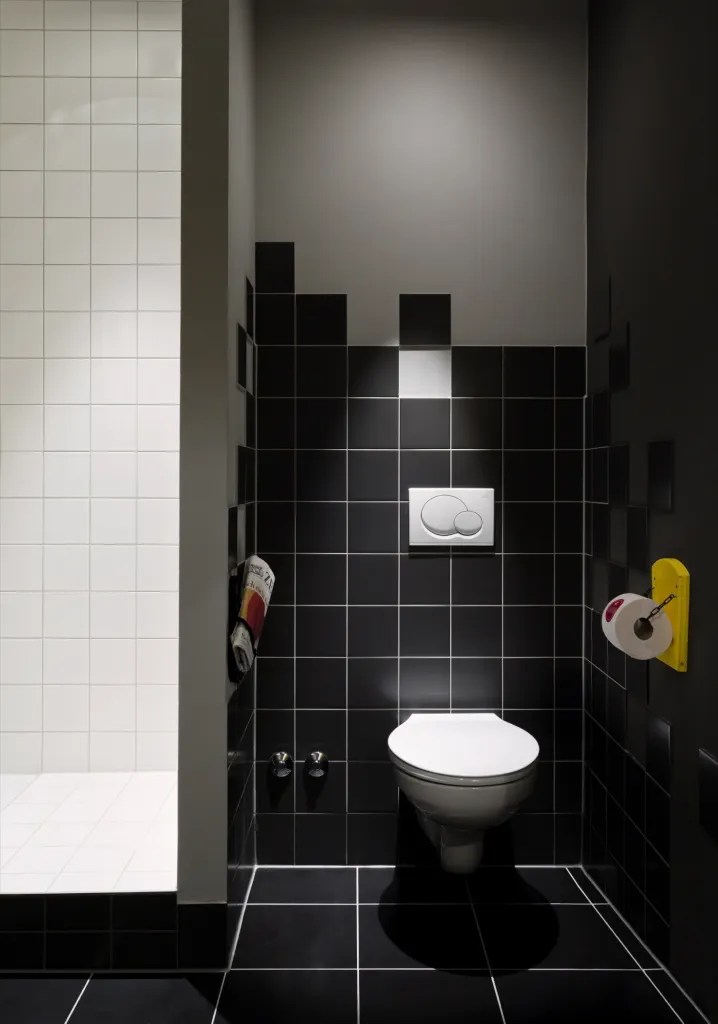
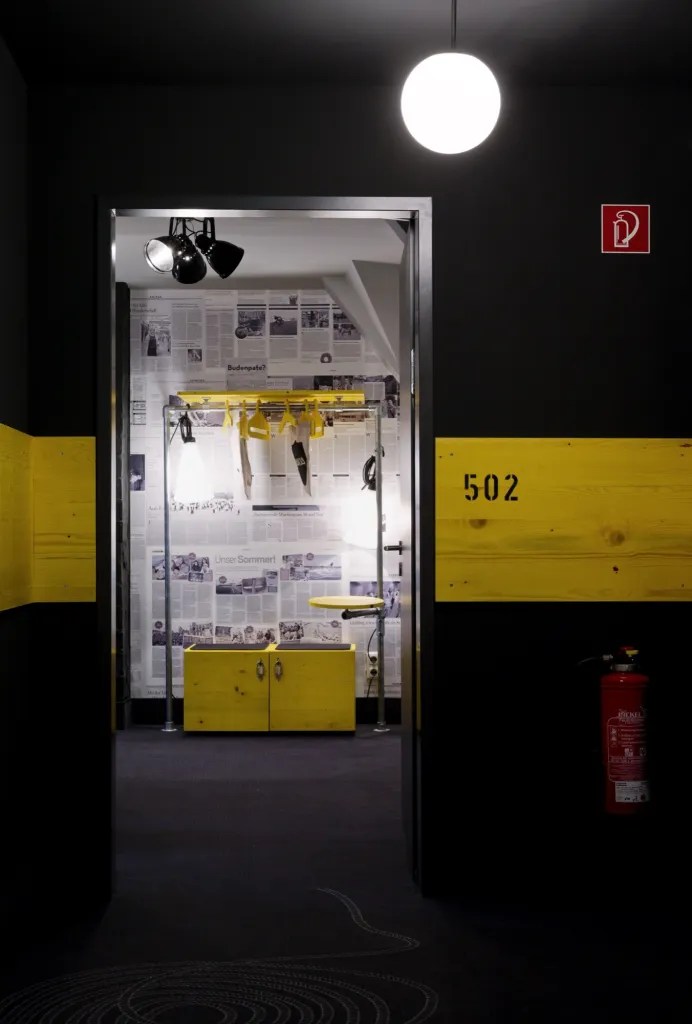
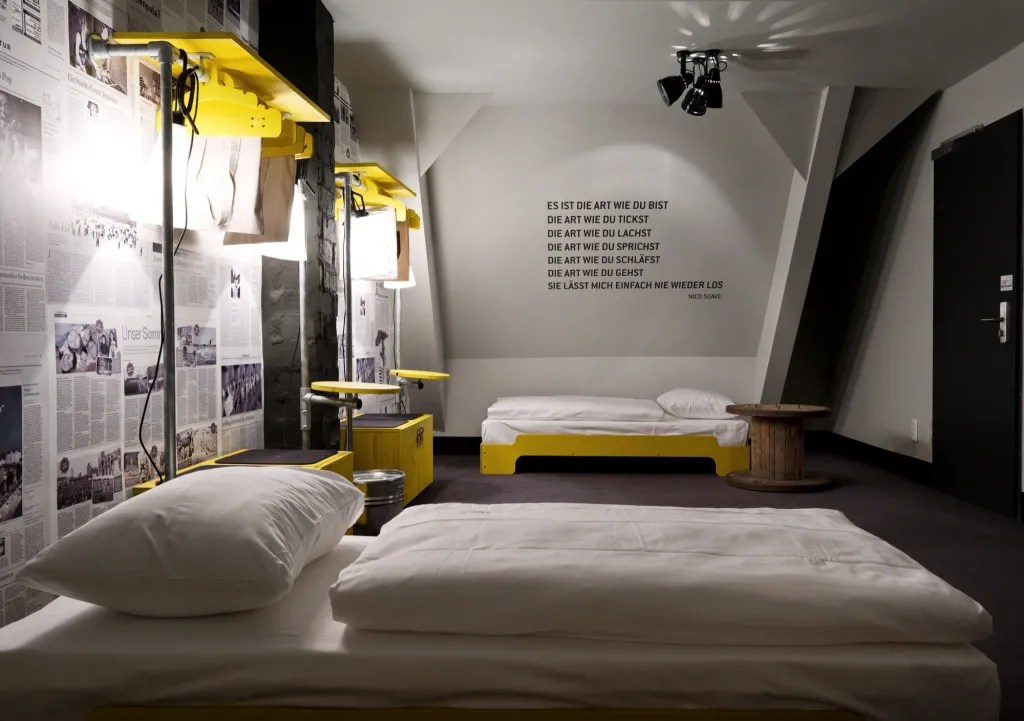
Below pictured is Superbude St. Pauli, secretly my favourite. Oh damn, now it is not a secret anymore.
 DOUBLEDOWN Hotels
Leave a comment