Suited Interior Design to Reimagine Kraków’s Historic PKO Bank as JW Marriott Hotel
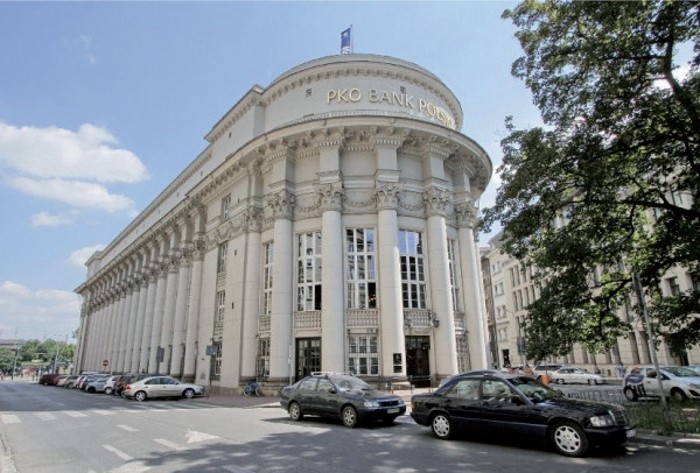
A cornerstone of Kraków’s architectural heritage is set for a new beginning. Suited Interior Design has been appointed to transform the city’s historic PKO Bank building into the JW Marriott Kraków, a luxury hotel where history, craftsmanship and modern design converge.
A Monumental Transformation
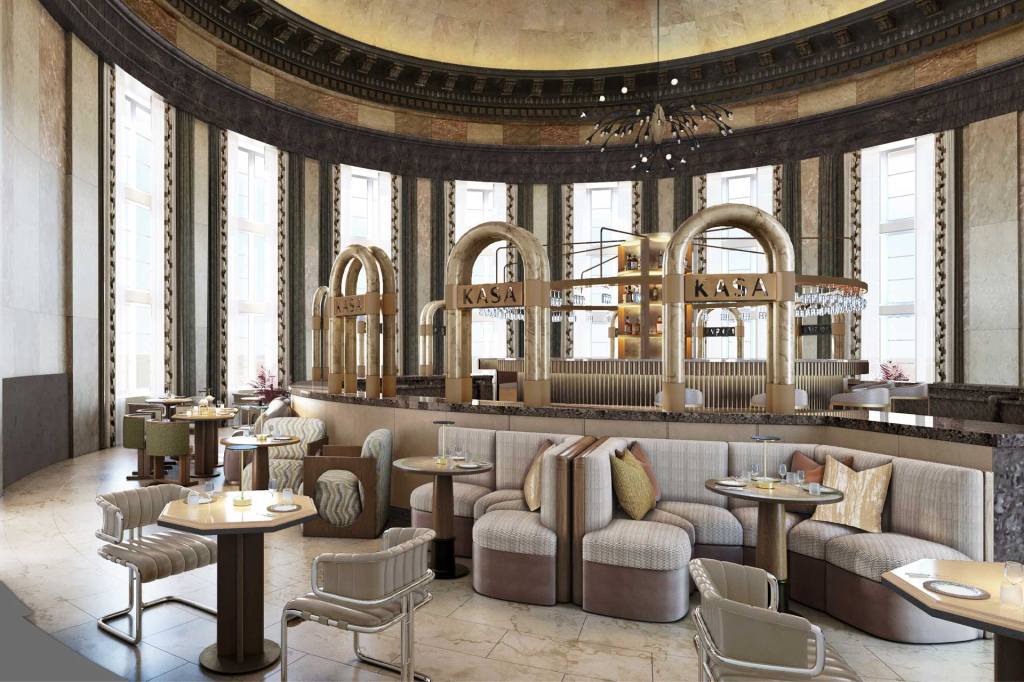
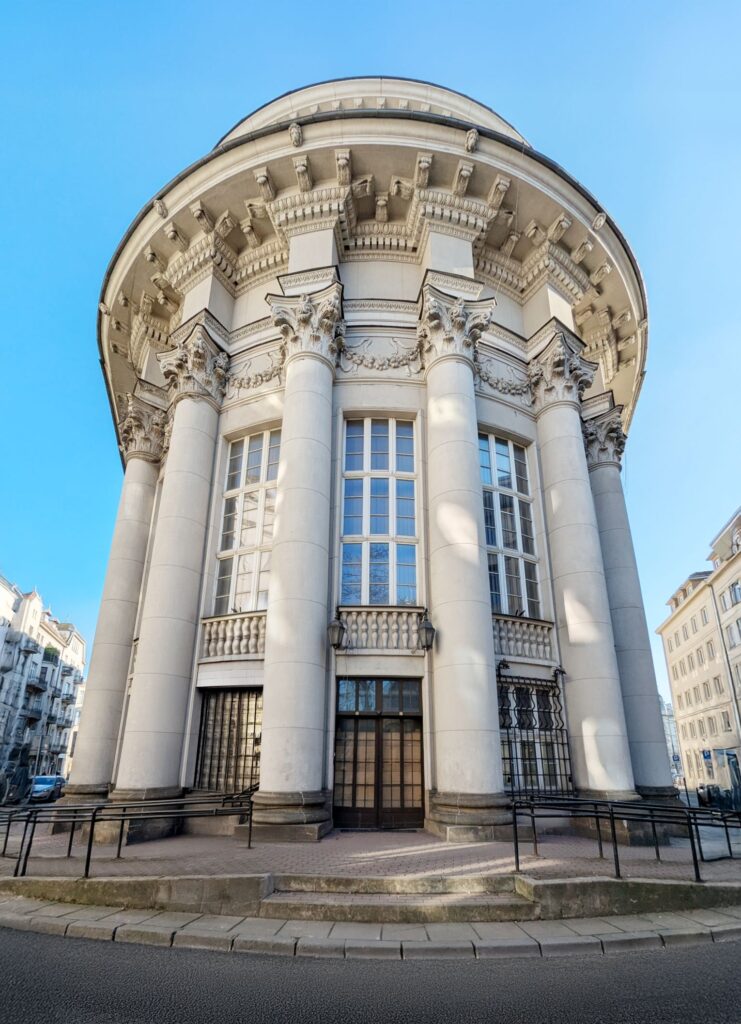
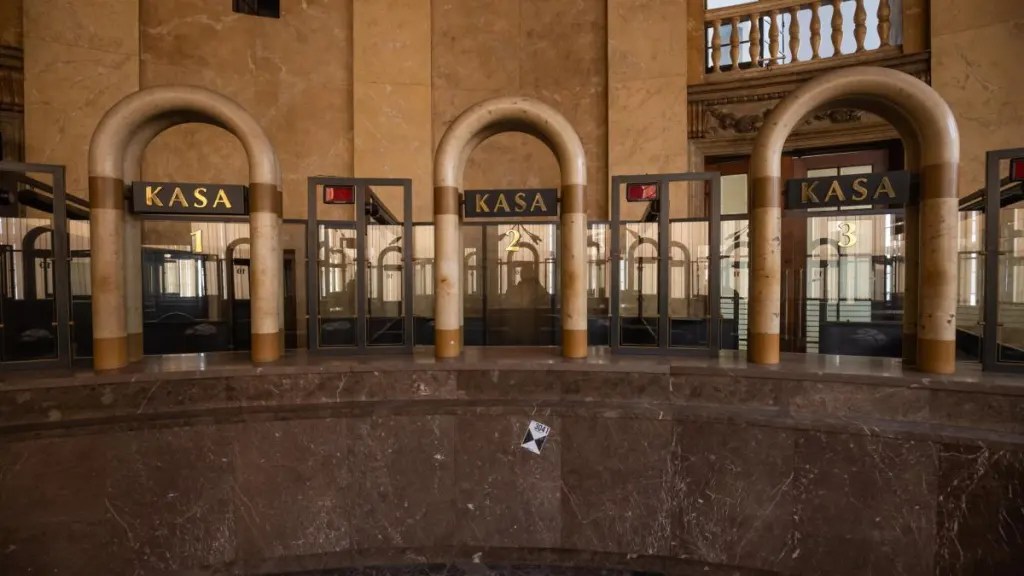
Slated to open in 2027, the hotel will retain the bank’s original vault and cashier’s hall, while introducing a four-storey dome crowned by a cupola inspired by the Roman Pantheon — a new architectural landmark on the Kraków skyline.
The project is owned by JW Construction, a leading Polish developer and operator with more than 30 years of experience, with URBA Architects overseeing the adaptive reuse of the building.
Inspired by Tension and Harmony
Suited Interior Design’s concept draws inspiration from the paradox faced by the building’s original architect, Adolf Szyszko-Bohusz, in 1925. A classically trained preservationist working at the height of modernism, Szyszko-Bohusz embraced the creative tension between tradition and innovation — an interplay that Suited’s design seeks to reinterpret for a new era.
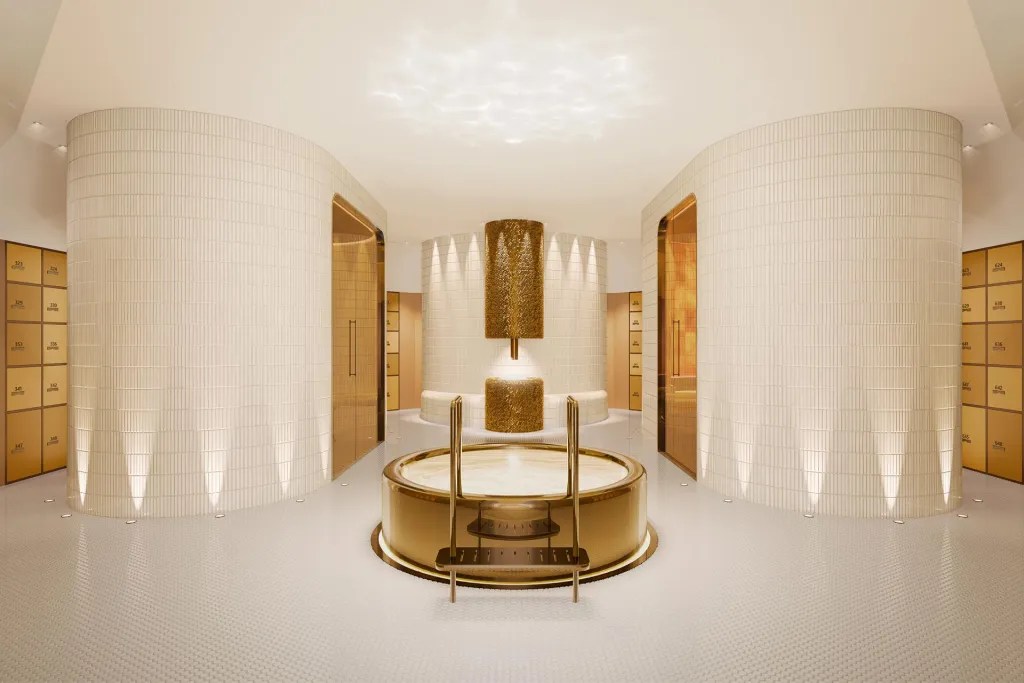
Echoes of the Kraków Workshops and the Young Poland Movement are woven throughout the interiors, expressed through contemporary craftsmanship, rich textures, and refined materials. References to Kraków’s historic “white gold” — the salt that built the city’s prosperity — are subtly integrated into the hotel’s spa, symbolising the continuity between past and present.
Crafting Atmosphere and Experience
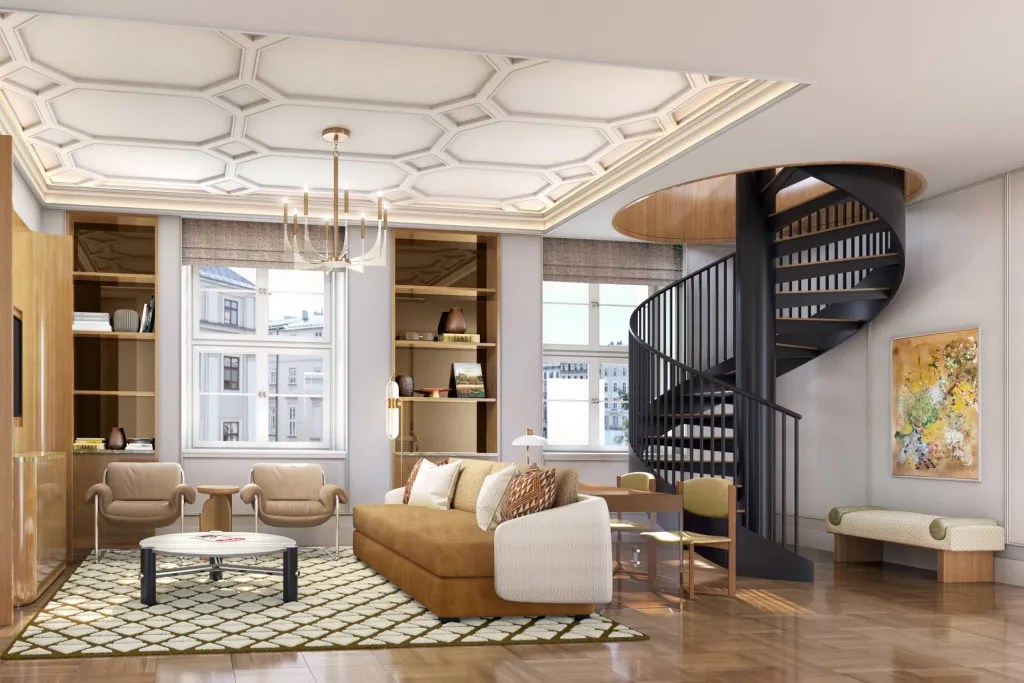
The 120 guestrooms continue the building’s architectural narrative, with many framing views of St. Mary’s Basilica. Inside, elongated panel mouldings emphasise the lofty ceilings, while modernist timber detailing integrates seamlessly with classical motifs. The tension between eras plays out in the bespoke furnishings, where clean lines meet sculptural form.
Among the highlights are two-storey suites featuring elegant spiral staircases, and the tranquil Mindfulness Suites — 95m2 (1,023 sq ft) sanctuaries designed to inspire rest and reflection. Bathrooms feature full-height marble walls, freestanding baths, and vanity units with panoramic city views. The building’s most exclusive accommodations are nestled within the cupola, offering an intimate retreat beneath its soaring dome.
Honouring the Past
Listed for both its architecture and interiors, the former PKO Bank stands as a testament to early 20th-century Polish innovation. Originally designed as both a workplace and residence for bank employees, it was rich in craftsmanship — from wood-panelled offices and ornate boardrooms to the encaustic tile flooring of the cashier’s hall, now carefully restored.
The historic vault, once the secure heart of the bank, has been reimagined as a signature spa. Its gold-tiled circular pool and golden soaking tub flow from the vault into the spa reception — a shimmering tribute to the treasures once stored within.
A Grand Social Hub
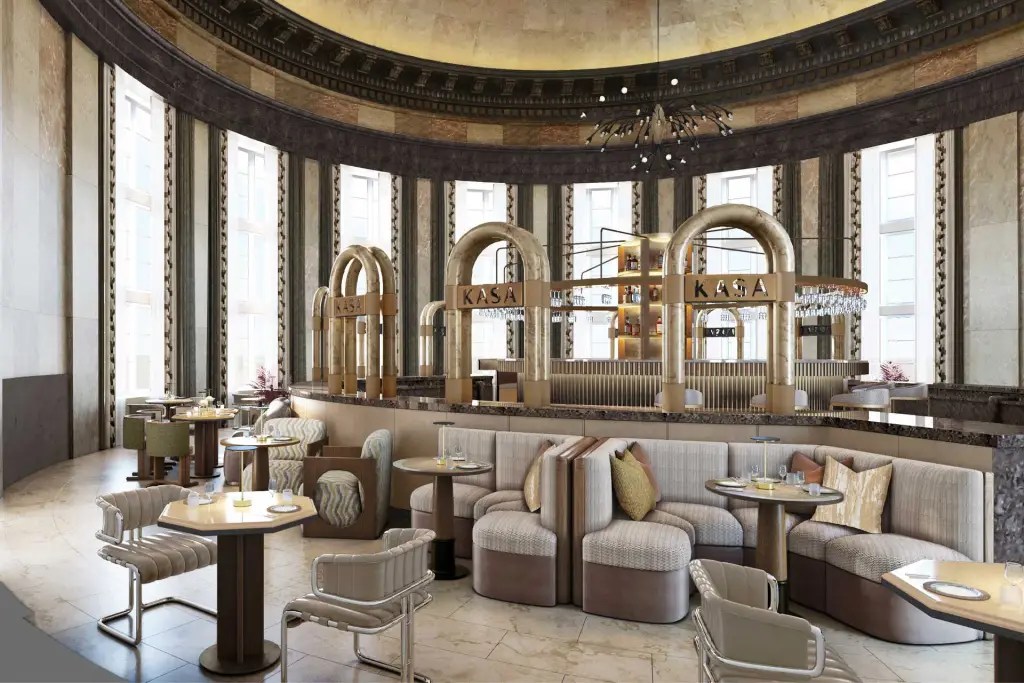
At the centre of the hotel, a new bar beneath the cupola serves as the social heart of the property. Inspired by the celestial geometry of the Pantheon, the space invites guests to pause, look up, and take in the drama of the architecture.
The former cashier stations, once buzzing with the energy of daily transactions, will become a lounge area, blending historical context with contemporary comfort. Meanwhile, the executive lounge — set within the building’s original timber-panelled rooms — offers an atmosphere of quiet sophistication, evoking the grandeur of Kraków’s past.
Rooted in Heritage, Designed for the Future
“I’m thrilled to bring our design vision to JW Marriott Kraków,” says Shelley Reiner, Director of Suited Interior Design. “Rooted in the city’s story of resilience and revival, the hotel is set to become both a tribute to the building’s heritage and a vibrant stage for contemporary hospitality experiences.”
When complete, the JW Marriott Kraków will not only revive one of the city’s most significant architectural landmarks but redefine how history and hospitality can coexist — timeless, elegant, and distinctly Polish.

 DOUBLEDOWN Hotels
Leave a comment