
If you grew up in the Netherlands (well, at an age like mine), you remember it instantly.
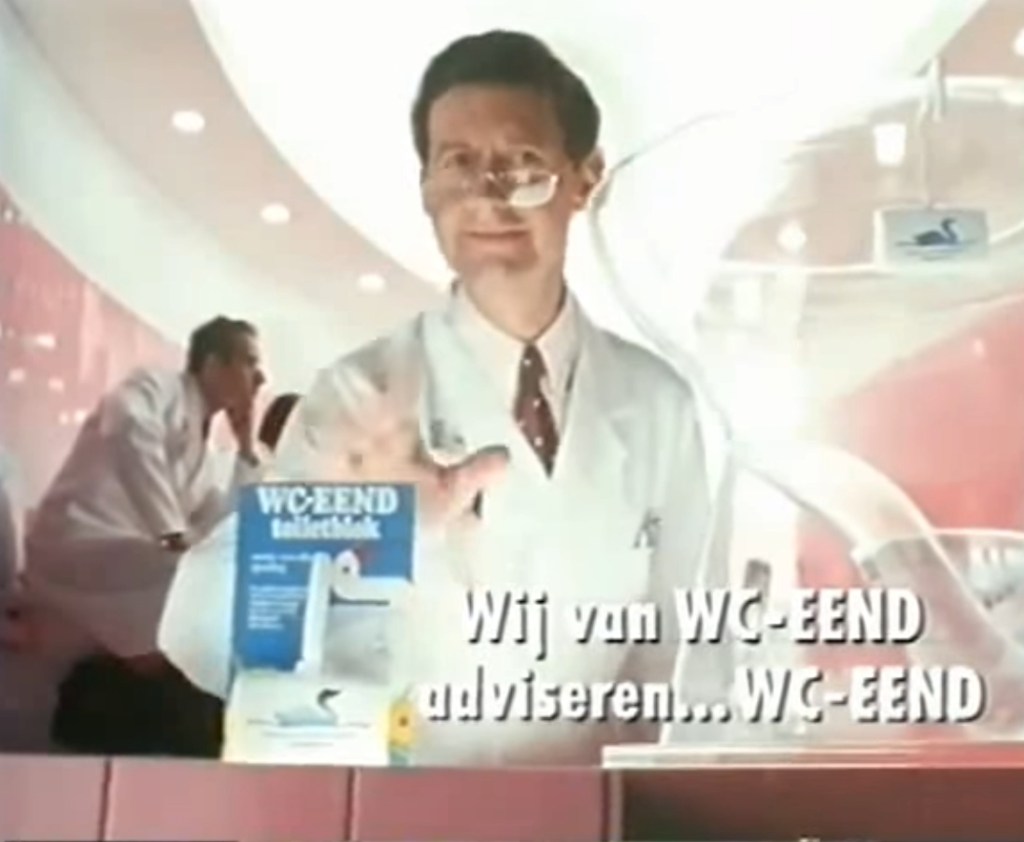
The 1989 TV commercial for WC Eend* ended with the line: “Wij van WC Eend adviseren WC Eend.” (“We from Toilet Duck advise Toilet Duck”.) Hilarious.
It later became one of the best-known advertising slogans in the country, shorthand for a very specific situation: experts enthusiastically recommending the very thing they sell.
* eend is Dutch for duck, Ente in German, pato in Spanish and Portuguese, canard in French
Which brings us neatly to hotel marketing in 2026.
Every January, the same articles appear: “Top marketing tips for hotels in 2026.”
Different headlines, same checklist.
And almost without exception, somewhere near the top: “Get your social media in order.”
But… do socials actually work for hotels?
And more specifically: do they generate direct bookings?
Inspiration is not intent
Yes, people watch travel content.
They scroll past dreamy pools, sunsets, breakfasts, slow-motion linen.
They save videos. They like them. Sometimes they even comment.
But inspiration is not intent.
And intent is what leads to bookings.
A hotel stay is rarely an impulse purchase. It’s a multi-step decision that unfolds over days, sometimes weeks:
- multiple websites
- comparison platforms
- reviews
- conversations
- reconsideration
Somewhere in that fog, a hotel might have appeared on social media.
But which booking are you certain came from there?
And which one booked directly, in your own system?
Very few marketing managers can answer that without guesswork.
The influencer paradox
Let’s talk about the influencer floating in your pool.
Is that helping your hotel — or helping the channel of the influencer?
Most influencers are very good at one thing: growing their audience.
Your hotel is often just content fuel in that system.
When the post performs well, the algorithm rewards the influencer — not your booking engine.
And when the post doesn’t perform?
It disappears into the scroll within hours.
Algorithm theatre
A hotel marketing manager recently told me: “TikTok is the channel to go to.”
So what’s the plan?
A staff mob dance in front of the entrance, hoping the algorithm smiles upon you?
A trend you join three weeks too late?
A format that works until it doesn’t?
Social platforms are algorithmic black boxes:
- nobody truly knows why one post takes off
- nobody can repeat success consistently
- even “near-viral” content dies within days
Yet everyone pretends to have it figured out.
Wij van WC Eend…
A platform you don’t own
There’s another uncomfortable truth: you are operating on borrowed ground.
Algorithms change.
Rules change.
Accounts get throttled, flagged, or removed.
I’ve personally been de-platformed by YouTube — without explanation — and discovered how impossible it is to speak to an actual human at scale platforms.
Now ask yourself honestly:
Do you want your hotel’s visibility to depend on that?
A quick tour of the usual suspects
- Instagram
Great for aesthetics. Terrible for memory. Content evaporates fast. - TikTok
High reach, low intent. Entertainment first, booking last. - Facebook
Can work hyper-locally — events, restaurants, community. Rarely for room bookings. - X
Conversation, not consideration. Almost irrelevant for hotels. - Pinterest
The exception. Content lasts longer, less algorithm drama. Still inspiration, not conversion — but closer to planning than scrolling.
None of these platforms are designed to support a slow, considered decision like booking a hotel.
They are designed to distract.
Short-term noise vs long-term memory
Social media is optimized for:
- interruption
- novelty
- endless scrolling
Hotels, on the other hand, depend on:
- trust
- clarity
- recall
- reassurance
Those are not algorithmic goals.
Socials are quick fixes for attention.
Hotels need long-term positioning.
The deeper question hotels avoid
Beyond performance metrics, there’s a broader question few hoteliers ask out loud:
Do you actually want your hotel embedded in platforms shaped by:
- political polarization
- misinformation
- unhealthy comparison
- questionable influence on children and society
Because when you show up there, you endorse the environment — whether you like it or not.
What actually works
What works is not louder marketing.
It’s longer thinking.
Hotels that perform sustainably invest in:
- clarity of identity
- consistency over time
- places where meaning accumulates, not disappears
Websites. Editorial contexts. Thoughtful platforms. Real narratives.
Assets you own. Language that lasts. Memory that compounds.
Bookings don’t come from the loudest post.
They come from the moment a guest thinks:
“This place makes sense to me.”
That moment is rarely created by a reel.
Back to WC Eend
Social media companies tell hotels they need social media.
Agencies built around socials tell hotels socials are essential.
Influencers praise the channel that pays them.
Wij van WC Eend adviseren WC Eend.
At NOW Hotels, we take a quieter position.
We don’t chase trends. We observe patterns.
And the pattern is clear:
Social media distracts.
Meaning endures.
If your hotel wants direct bookings, don’t ask:
“Which channel should we post on?”
Ask instead:
“Are we clear enough to be remembered when the scrolling stops?”
That’s not a social media problem.
That’s a strategic one.
 DOUBLEDOWN Hotels
Leave a comment